When it comes to roofing systems for industrial buildings, there are various crucial aspects to consider. From materials to design, installation, and maintenance, each component plays a significant role in the overall functionality and longevity of the structure. Let's delve into the world of industrial roofing systems and uncover the key elements that make them essential for the industrial sector.
Roofing Materials
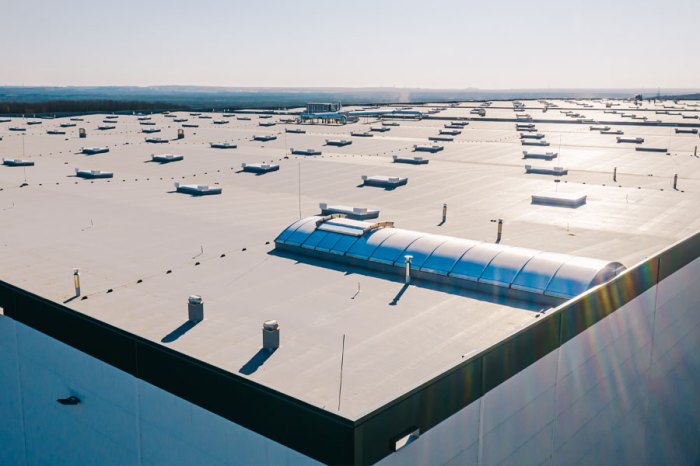
When it comes to roofing materials for industrial buildings, there are various options available, each with its own set of advantages and considerations. Two commonly used roofing materials for industrial structures are metal roofs and single-ply membrane roofs.Metal roofs are known for their durability and longevity.
They are resistant to fire, mildew, insects, and rot, making them a popular choice for industrial buildings that require a sturdy roof. While the initial cost of metal roofs may be higher compared to other materials, they often prove to be cost-effective in the long run due to their low maintenance requirements and long lifespan.On the other hand, single-ply membrane roofs are lightweight and flexible, making them easy to install.
They offer good energy efficiency and are environmentally friendly. However, they may not be as durable as metal roofs and may require more frequent repairs and replacements, which can add to the overall cost over time.
Metal Roofs vs. Single-Ply Membrane Roofs
- Metal roofs are highly durable and long-lasting, with a lifespan of 40-70 years, compared to single-ply membrane roofs which typically last 20-30 years.
- Cost-wise, metal roofs have a higher upfront cost but lower maintenance expenses over time, while single-ply membrane roofs may be cheaper to install initially but require more upkeep.
- From an environmental perspective, metal roofs are recyclable and can be made from recycled materials, reducing their impact on the environment. Single-ply membrane roofs are also recyclable but may not be as energy-efficient.
Roof Design
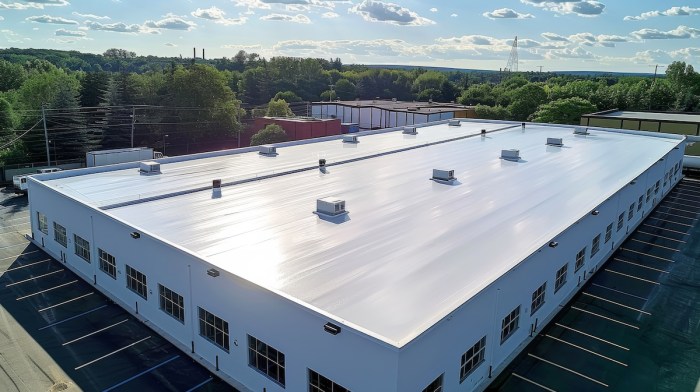
Proper roof design is crucial for industrial buildings to ensure efficient drainage and maintain structural integrity. A well-designed roof not only protects the building from harsh weather conditions but also contributes to the overall functionality of the facility.
Impact on Ventilation and Insulation
The design of the roof plays a significant role in the ventilation and insulation of industrial facilities. Different roof designs can affect airflow within the building, which in turn impacts temperature regulation and energy efficiency. For example, a sloped roof design can promote natural ventilation and reduce the need for mechanical cooling systems.
On the other hand, a flat roof design may require additional insulation to maintain a comfortable indoor environment.
Incorporating Skylights or Solar Panels
Incorporating skylights or solar panels in industrial roofing systems can provide numerous benefits. Skylights allow natural light to enter the building, reducing the need for artificial lighting and creating a more comfortable workspace for employees. Solar panels, on the other hand, offer a sustainable energy solution, helping industrial facilities reduce their carbon footprint and energy costs.
By integrating these features into the roof design, industrial buildings can enhance their overall efficiency and sustainability.
Installation Process
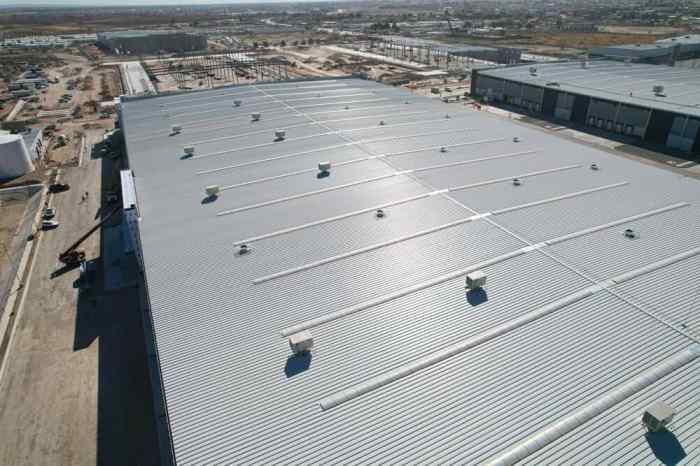
Installing roofing systems for industrial buildings is a complex process that requires careful planning, skilled labor, and adherence to safety regulations. Here, we will detail the step-by-step process of installing roofing systems for industrial buildings, highlight safety measures and regulations to consider, and discuss common challenges faced during installation.
Step-by-Step Installation Process
- 1. Roof Preparation: The existing roof surface must be cleaned and prepped before installation begins. Any damaged or deteriorated areas should be repaired or replaced.
- 2. Insulation Installation: Proper insulation is crucial for energy efficiency and maintaining the interior temperature of the industrial building. Insulation materials are installed according to manufacturer specifications.
- 3. Waterproofing: A waterproof membrane is applied to the roof surface to prevent leaks and water damage. This membrane should be installed with precision to ensure complete coverage.
- 4. Roofing Material Installation: The chosen roofing material, whether it be metal, asphalt, or another type, is then installed according to the manufacturer's guidelines. Proper sealing and fastening are essential for a durable roof.
- 5. Safety Measures: Throughout the installation process, safety harnesses, guardrails, and other safety equipment should be used to prevent falls and accidents. Workers should be trained in proper safety protocols.
Safety Measures and Regulations
- 1. Fall Protection: OSHA regulations require fall protection systems to be in place for workers who are working at heights. This includes guardrails, safety nets, or personal fall arrest systems.
- 2. Proper Training: All workers involved in the installation of industrial roofing systems should receive adequate training on safety procedures, equipment usage, and emergency protocols.
- 3. Equipment Inspection: Regular inspection of tools, equipment, and safety gear is essential to ensure they are in good working condition and meet safety standards.
Common Challenges
- 1. Weather Conditions: Adverse weather such as rain, wind, or extreme temperatures can impact the installation process and may require delays for safety reasons.
- 2. Access Restrictions: Large industrial buildings may have limited access points or obstacles that make it challenging to transport materials and equipment to the roof.
- 3. Coordination: Coordination between different teams, such as roofing contractors, insulation installers, and waterproofing specialists, is crucial to ensure a seamless installation process.
Maintenance and Repair
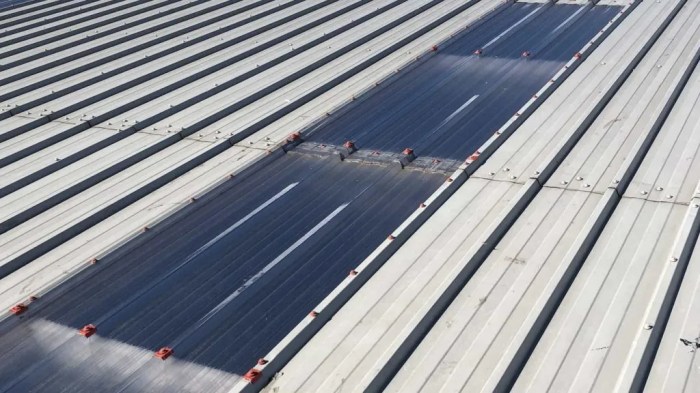
Regular maintenance and timely repairs are essential for industrial roofing systems to ensure their longevity and optimal performance. Neglecting maintenance can lead to costly damages and shorten the lifespan of the roof.
Preventive Maintenance Plan
- Establish a regular inspection schedule to identify any issues early on.
- Clean gutters and drains to prevent water accumulation and potential leaks.
- Trim nearby trees to prevent branches from damaging the roof.
- Check for signs of wear and tear, such as cracks, blisters, or missing shingles.
- Address any issues promptly to prevent them from escalating.
Identifying Common Issues and Repair Solutions
- Leaks: Inspect for water stains on ceilings, mold growth, or damp insulation. Repair by sealing the source of the leak and replacing damaged materials.
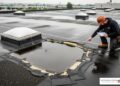
- Ponding Water: Look for areas where water pools on the roof. Improve drainage systems and ensure proper slope to prevent ponding.
- Blistering: Check for bubbles or raised areas on the roof surface. Repair by cutting out the blister, applying adhesive, and smoothing it out.
- Cracked Sealant: Inspect sealant around penetrations and seams. Replace cracked sealant to prevent water infiltration.
- Hail Damage: After a storm, check for dents or punctures on the roof. Repair damaged areas to prevent leaks and further deterioration.
Role of Regular Inspections
Regular inspections play a crucial role in maintaining the integrity of industrial roofing systems. By conducting inspections at least twice a year, issues can be detected early and addressed promptly, preventing major damages and costly repairs. Inspections help in identifying potential problems before they escalate, ensuring the longevity and performance of the roof.
Last Recap
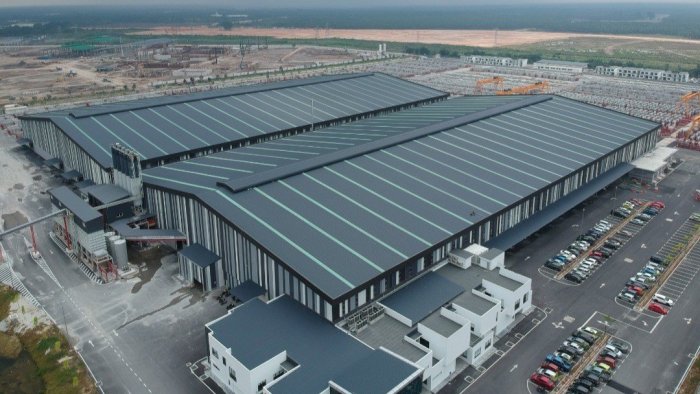
In conclusion, roofing systems for industrial buildings are not just about providing shelter; they are about ensuring durability, efficiency, and sustainability. By understanding the importance of materials, design, installation, and maintenance, businesses can create a robust roofing system that stands the test of time and enhances the overall functionality of their industrial facilities.
FAQ Explained
What are the key factors to consider when choosing roofing materials for industrial buildings?
When selecting roofing materials for industrial buildings, factors such as durability, cost-effectiveness, and environmental impact should be taken into account. Metal roofs are known for their longevity and low maintenance, while single-ply membrane roofs offer cost-effectiveness and flexibility in installation.
How does roof design impact ventilation and insulation in industrial buildings?
The design of the roof plays a crucial role in ventilation and insulation. Proper roof design ensures efficient airflow and thermal regulation within the building, contributing to energy efficiency and occupant comfort.
What are some common challenges faced during the installation of roofing systems in large industrial structures?
Installing roofing systems in large industrial structures can pose challenges such as logistics, safety concerns, and weather dependencies. Proper planning, coordination, and adherence to safety regulations are essential to overcome these challenges.