Roof water damage repair is a crucial aspect of maintaining the integrity of your home. From identifying common causes to discussing prevention strategies, this guide covers every aspect you need to know. Let's dive in and explore the world of roof water damage repair together.
In the following paragraphs, we will delve into the specifics of inspecting, repairing, and preventing water damage on your roof.
Understanding Roof Water Damage
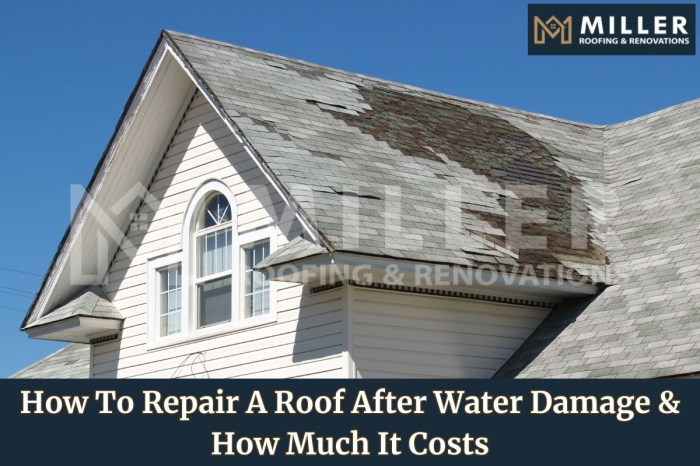
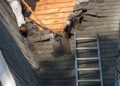
Roof water damage can be a serious issue that needs to be addressed promptly to prevent further damage to your home. It is essential to understand the common causes of roof water damage, the signs to look out for, and the potential risks associated with leaving it untreated.
Common Causes of Roof Water Damage
- Poor installation of roofing materials
- Missing or damaged shingles
- Clogged gutters and downspouts
- Improperly sealed roof penetrations
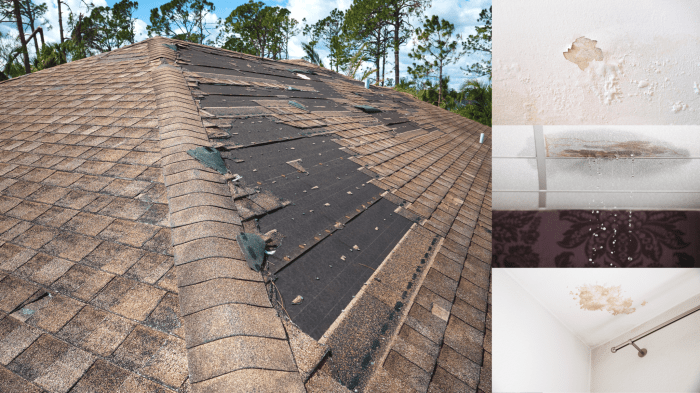
Signs of Water Damage on a Roof
- Water stains on ceilings or walls
- Mold or mildew growth
- Peeling paint or wallpaper
- Sagging or discolored areas on the ceiling
Potential Risks of Untreated Roof Water Damage
- Structural damage to the roof and ceiling
- Mold growth, which can be hazardous to health
- Decreased energy efficiency due to insulation damage
- Reduced property value
Inspecting and Assessing Damage
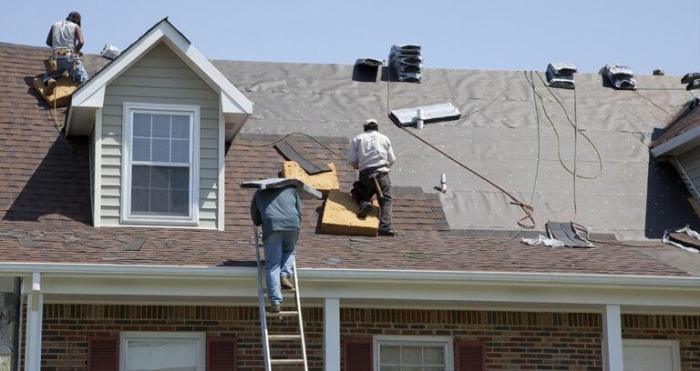
Inspecting and assessing roof water damage is crucial to prevent further issues and ensure the integrity of your home. Timely assessment can help address the problem before it escalates, saving you time and money in the long run.
Methods for Inspecting a Roof for Water Damage
- Start by visually inspecting the roof from the ground, looking for missing shingles, sagging areas, or signs of moisture.
- Check for water stains on the ceiling or walls inside the house, as this can indicate a roof leak.
- Inspect the attic for any signs of water intrusion, such as mold, mildew, or damp insulation.
- Use binoculars to closely examine the roof for any visible damage, such as cracked or curling shingles.
Importance of Timely Assessment of Roof Water Damage
Timely assessment of roof water damage is crucial to prevent structural issues and mold growth. Ignoring the problem can lead to costly repairs and compromise the safety of your home and family.
Key Areas to Focus on During a Roof Water Damage Inspection
- Check the flashing around chimneys, vents, and skylights, as these areas are prone to leaks.
- Inspect the gutters and downspouts for clogs or damage that can cause water to overflow and seep into the roof.
- Examine the roof valleys where two slopes meet, as these areas are susceptible to water accumulation and leaks.
- Look for any signs of deterioration or damage to the soffits and fascia boards, as these can indicate water damage.
Repairing Roof Water Damage
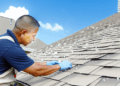
When it comes to repairing roof water damage, it is essential to address the issue promptly to prevent further damage to your home. Whether you are dealing with minor leaks or more extensive damage, taking the right steps can help restore the integrity of your roof and protect your property.
Steps for Repairing Minor Roof Water Damage
- Locate the source of the leak and identify the extent of the damage.
- Clean and dry the affected area to prevent mold and mildew growth.
- Apply roofing cement or sealant to seal the leak and prevent future water intrusion.
- Replace any damaged shingles or tiles to ensure a watertight seal.
- Inspect the surrounding area for any signs of water damage and address any issues accordingly.
Different Materials and Tools Needed for Repairing Roof Water Damage
- Roofing cement or sealant to patch up leaks.
- Replacement shingles or tiles to repair damaged areas.
- Roofing nails and a hammer for securing new materials in place.
- Roofing membrane or flashing to reinforce vulnerable areas.
- Ladder and safety equipment for accessing the roof safely.
DIY Repairs Versus Hiring Professionals
- DIY repairs can be cost-effective for minor damage and skilled homeowners.
- Professionals have the expertise and equipment to handle complex repairs and ensure long-lasting results.
- Hiring professionals can save time and effort while guaranteeing the quality of the repair work.
- Consider your skill level and the extent of the damage before deciding whether to tackle the repair yourself or hire a professional.
Preventing Future Water Damage
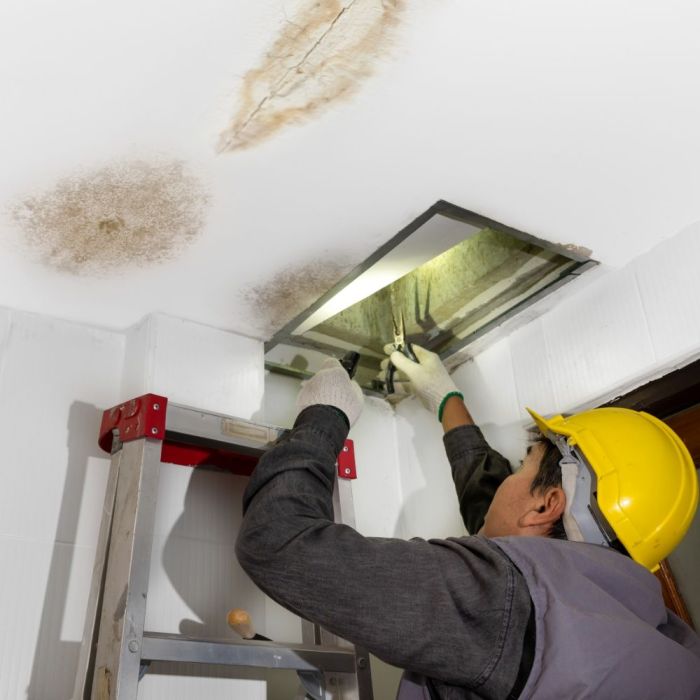
To avoid future roof water damage, it is crucial to design a maintenance schedule that includes regular inspections and necessary repairs. Proper maintenance can help extend the lifespan of your roof and prevent costly water damage issues down the line.
Role of Gutters and Downspouts
Gutters and downspouts play a vital role in preventing water damage to your roof and home. They help divert rainwater away from the foundation of your house, preventing water from pooling on the roof and causing leaks. It is essential to keep gutters and downspouts clean and free of debris to ensure proper drainage.
- Regularly inspect gutters and downspouts for clogs and debris.
- Clean gutters at least twice a year, especially before the rainy season.
- Ensure downspouts are directing water at least 5-10 feet away from the foundation.
- Consider installing gutter guards to prevent debris buildup.
Proper maintenance of gutters and downspouts is key to preventing water damage to your roof and home.
Tips for Roof Maintenance
Keeping your roof in good condition is essential for preventing water damage. Here are some tips to help maintain your roof and avoid future issues:
- Inspect your roof regularly for missing or damaged shingles.
- Trim overhanging tree branches to prevent damage from falling limbs.
- Check for signs of water damage in the attic, such as mold or mildew.
- Ensure proper attic ventilation to prevent moisture buildup.
- Address any roof repairs promptly to prevent small issues from turning into major problems.
Final Conclusion
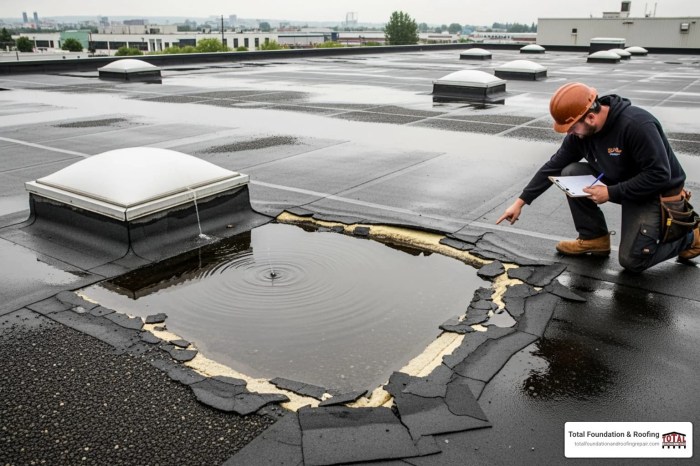
In conclusion, staying proactive with roof water damage repair can save you time, money, and headaches in the long run. By following the tips and strategies Artikeld in this guide, you can ensure your roof remains in top condition for years to come.
Commonly Asked Questions
What are the common causes of roof water damage?
Common causes include poor installation, aging materials, clogged gutters, and lack of maintenance.
How can I prevent future water damage on my roof?
Regularly inspecting your roof, maintaining gutters, and scheduling professional inspections can help prevent future water damage.
What materials and tools are needed for repairing roof water damage?
Materials like roofing cement, shingles, and flashing, along with tools such as a hammer, nails, and a ladder, are essential for repairing roof water damage.