Delving into the realm of roof installation services in the UK, this comprehensive guide aims to shed light on the intricacies of this vital aspect of construction. From the importance of professional services to the key factors to consider, embark on a journey of knowledge and insight.
Exploring the various types of roof installations and the process involved, this guide is your go-to resource for understanding the nuances of roof installation services in the UK.
Introduction to Roof Installation Services UK
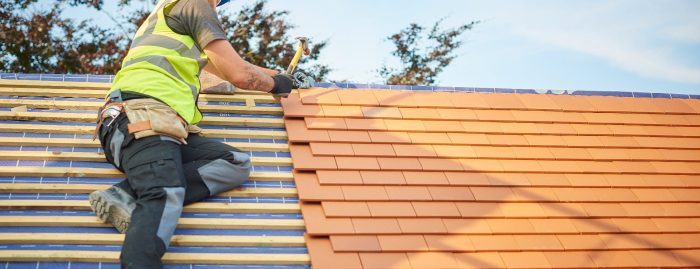
Roof installation services in the UK play a crucial role in ensuring the structural integrity and longevity of buildings. Professional installation is essential to protect properties from harsh weather conditions and maintain a safe and secure environment.
Types of Roof Installations
- Flat Roof Installation: Commonly used in urban areas, providing a modern and sleek look. It requires proper drainage systems to prevent water pooling.
- Pitched Roof Installation: Traditional style with sloped angles, ideal for shedding rain and snow. Different materials like tiles, shingles, or metal can be used.
- Green Roof Installation: Eco-friendly option involving vegetation to improve insulation, absorb rainwater, and reduce energy costs.
Key Factors to Consider
- Experience and Expertise: Ensure the company has a proven track record in roof installations with skilled professionals.
- Quality Materials: Use of high-quality materials that are durable and suitable for the specific roof type.
- Cost and Budget: Get detailed quotes and compare prices to find a service that offers value for money without compromising on quality.
- Insurance and Warranty: Check if the service provider is insured and offers warranties to cover any potential issues post-installation.
Types of Roofing Materials Used in the UK
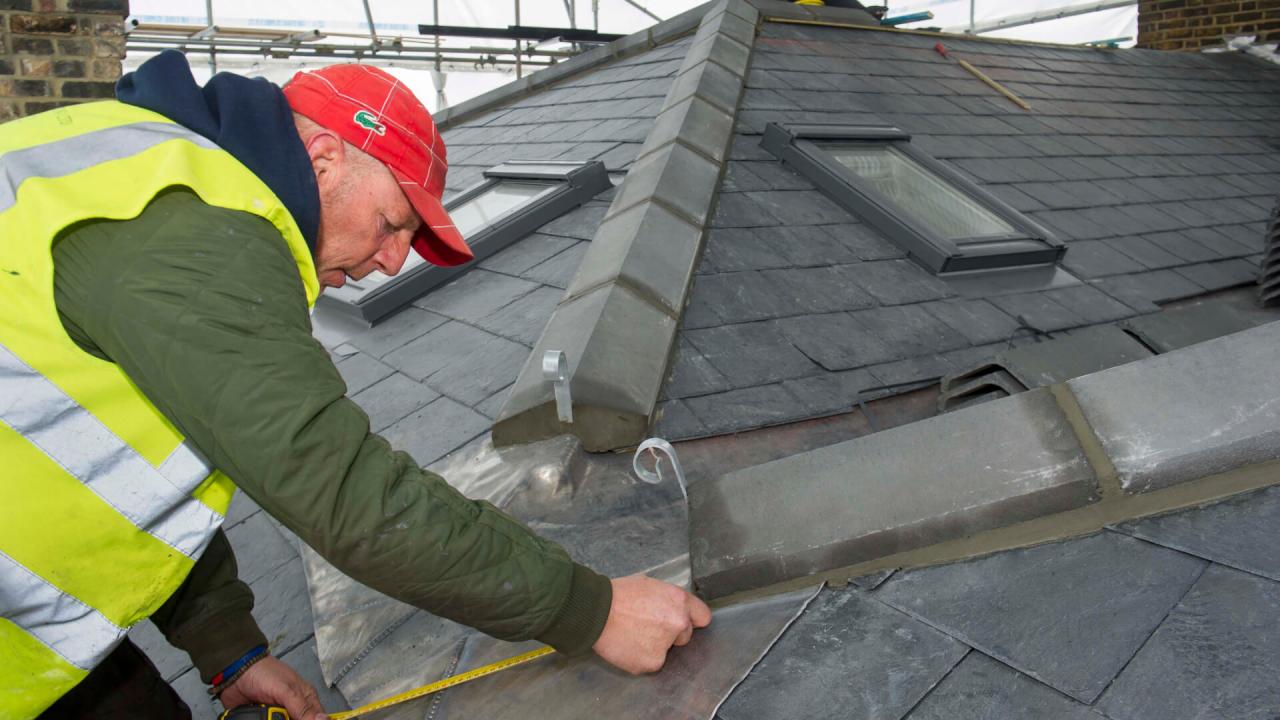
When it comes to roof installation services in the UK, the choice of roofing material plays a crucial role in determining the durability, aesthetics, and overall performance of the roof. Different roofing materials offer varying levels of protection, insulation, and maintenance requirements.
Let's explore the common types of roofing materials used in the UK and their characteristics.
Slate
Slate is a popular roofing material known for its durability and natural beauty. It is fire-resistant, waterproof, and requires minimal maintenance. However, slate can be heavy and expensive to install compared to other materials. Its longevity and classic appearance make it a preferred choice for traditional and high-end properties in the UK.
Tile
Roof tiles are another common choice for roofing materials in the UK. They are available in various materials such as clay, concrete, and composite. Roof tiles are durable, weather-resistant, and come in a wide range of colors and styles to complement different architectural designs.
They are relatively easy to install and offer good insulation properties.
Metal
Metal roofing has gained popularity in the UK due to its longevity, energy efficiency, and recyclability. Metal roofs are lightweight, durable, and resistant to extreme weather conditions. They reflect heat, reducing energy costs in both summer and winter. Metal roofing is available in different materials like steel, aluminum, and copper, offering a modern and sleek appearance to residential and commercial buildings.
Asphalt
Asphalt shingles are a cost-effective roofing material widely used in the UK. They are easy to install, low maintenance, and come in various colors and textures. Asphalt shingles provide good protection against UV rays and are suitable for different roof shapes and sizes.
However, they have a shorter lifespan compared to materials like slate or metal.In conclusion, the choice of roofing material for installations in the UK depends on factors such as budget, architectural style, climate, and personal preferences. Each material has its own set of advantages and considerations, so it is essential to consult with roofing experts to determine the most suitable option for your specific needs.
Process of Roof Installation
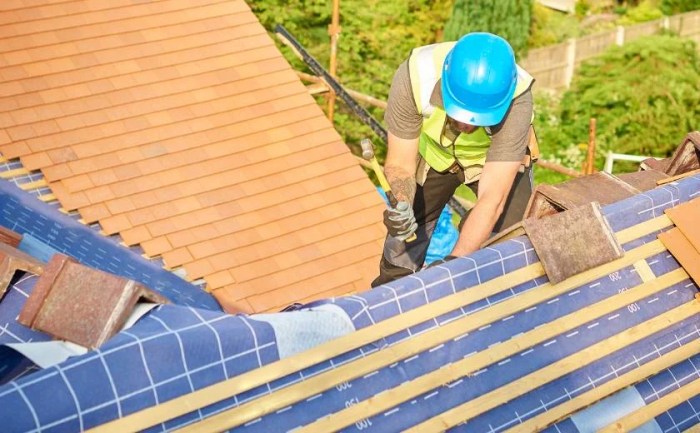
When it comes to roof installation services in the UK, there is a step-by-step process that professionals follow to ensure a successful project.
Preparation Work
Before installing a new roof, proper preparation work is essential to ensure the longevity and effectiveness of the new roof. This includes:
- Removing the old roofing material and inspecting the underlying structure for any damage.
- Repairing or reinforcing the roof deck as needed to provide a stable base for the new roof.
- Ensuring proper ventilation and insulation to prevent moisture buildup and improve energy efficiency.
Importance of Insulation and Ventilation
During the roof installation process, proper insulation and ventilation are crucial for maintaining a comfortable and energy-efficient indoor environment. Insulation helps regulate temperature and reduce energy costs, while ventilation prevents moisture buildup and mold growth.
Regulations and Standards for Roof Installation in the UK
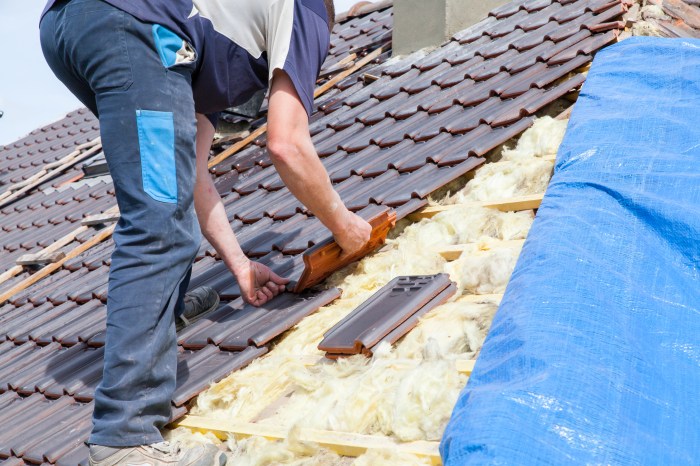
In the United Kingdom, roof installations are governed by strict building regulations and standards to ensure the safety and quality of the structures. It is crucial for roof installation service providers to adhere to these regulations to maintain the integrity of the buildings they work on.
Building Regulations and Standards
- Roof installations in the UK must comply with the Building Regulations, which set out the minimum standards for construction work.
- These regulations cover aspects such as structural integrity, fire safety, insulation, and ventilation requirements for roofs.
- Local authorities enforce these regulations to ensure that all roof installations meet the necessary standards.
Certifications and Qualifications
- Roof installation service providers in the UK should hold relevant certifications and qualifications to operate legally.
- Qualified roofers often have certifications from organizations like the National Federation of Roofing Contractors (NFRC) or the Confederation of Roofing Contractors (CORC).
- It is essential for customers to verify the qualifications of roof installation companies before hiring them to ensure a professional and compliant service.
Importance of Compliance with Safety Standards
- Complying with safety standards during roof installations is crucial to prevent accidents and ensure the longevity of the roof.
- Roof installation companies must follow safety protocols to protect their workers and the occupants of the building.
- Non-compliance with safety standards can lead to legal issues, fines, and compromised structural integrity of the roof.
Final Conclusion
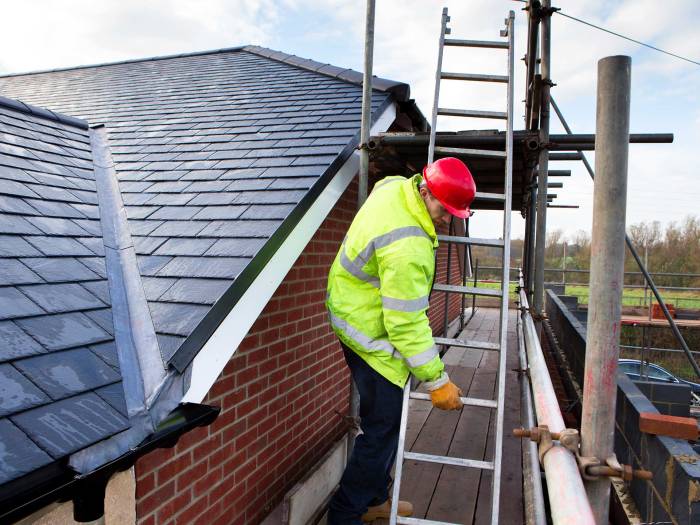
In conclusion, navigating the world of roof installation services in the UK requires attention to detail and a keen eye for quality. With regulations, standards, and material choices playing crucial roles, ensuring a successful roof installation hinges on informed decisions and expert guidance.
FAQ Resource
What factors should I consider when hiring a roof installation service in the UK?
Consider the experience of the company, their certifications, and their adherence to safety standards.
Which roofing material is best suited for the UK climate?
Slate is a popular choice due to its durability and ability to withstand varying weather conditions.
What certifications should roof installation service providers have in the UK?
Look for certifications like NFRC and TrustMark to ensure quality workmanship.