Annual AC maintenance plan is more than just a routine check-up for your cooling system; it's a proactive approach to ensuring optimal performance and longevity. From cost savings to increased efficiency, this plan covers all the bases to keep your AC running smoothly.
Let's delve into the intricacies of this essential maintenance strategy.
Importance of Annual AC Maintenance Plan
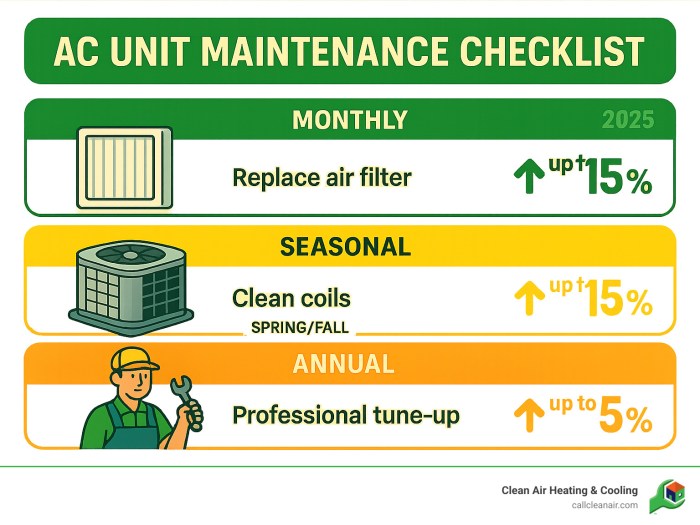
Regular maintenance of air conditioning systems is crucial to ensure they operate efficiently and effectively. Without proper upkeep, AC units can experience issues such as reduced cooling capacity, higher energy consumption, and even complete breakdowns. This is why having an annual AC maintenance plan in place is highly beneficial for both residential and commercial properties.
Benefits of Annual AC Maintenance
- Improved Efficiency: Regular maintenance helps keep the AC system running smoothly, leading to improved efficiency and lower energy bills.
- Extended Lifespan: By addressing minor issues early on, annual maintenance can help prolong the lifespan of the AC unit, saving you money on premature replacements.
- Cost Savings: Investing in annual maintenance can result in cost savings in the long run by avoiding costly repairs or replacements that could have been prevented with regular upkeep.
- Enhanced Air Quality: Proper maintenance includes cleaning and replacing filters, which can improve indoor air quality by reducing dust, allergens, and pollutants circulating in the air.
Components of an Annual AC Maintenance Plan
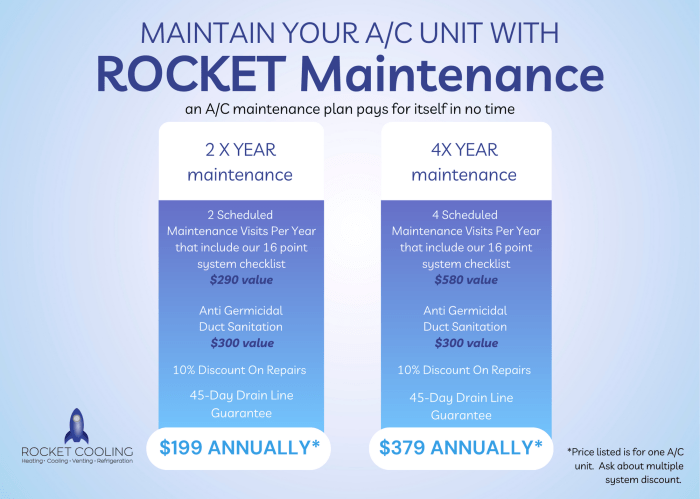
Regular maintenance of your AC system is crucial to ensure its efficiency and longevity. An annual AC maintenance plan typically includes several key components that should be addressed to keep your unit running smoothly.
Cleaning Filters
Regularly cleaning or replacing the filters in your AC system is essential to maintain good air quality and efficiency. Clogged filters can restrict airflow, causing the system to work harder and consume more energy. Technicians should check and clean filters during annual servicing to ensure optimal performance.
Checking Refrigerant Levels
Proper refrigerant levels are necessary for your AC system to cool effectively. Low refrigerant levels can indicate a leak, which can lead to system failure if not addressed promptly. Technicians should inspect and top up refrigerant levels as needed during annual maintenance to prevent issues and ensure efficient cooling.
Inspecting Electrical Components
Electrical components such as wiring, connections, and capacitors play a crucial role in the operation of your AC system. Technicians should inspect these components for signs of wear, damage, or loose connections during annual servicing. Addressing any issues proactively can prevent breakdowns and ensure safe operation of your system.
Maintenance Checklist Example
During annual AC maintenance, technicians follow a comprehensive checklist to ensure all components are inspected and serviced properly. A typical maintenance checklist may include:
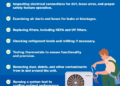
- Cleaning or replacing filters
- Checking and topping up refrigerant levels
- Inspecting electrical connections and components
- Testing thermostat functionality
- Lubricating moving parts
- Checking and calibrating system controls
- Inspecting ductwork for leaks or damage
By including these key components in your annual AC maintenance plan, you can ensure that your system operates efficiently, reduces energy consumption, and prolongs its lifespan.
DIY Maintenance Tips for Homeowners
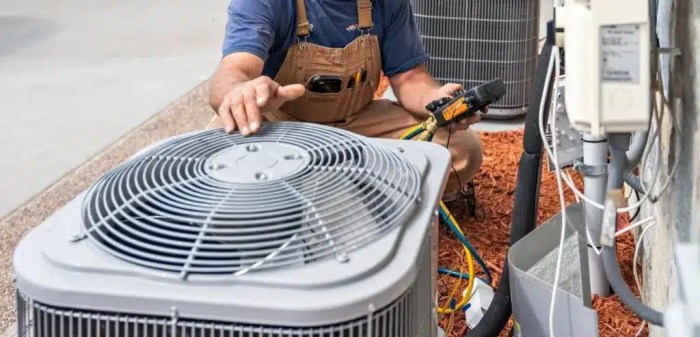
Regular maintenance is essential to keep your AC unit running efficiently. While annual professional servicing is crucial, there are also simple tasks that homeowners can perform to supplement these efforts and ensure optimal system performance.
Cleaning Vents and Changing Filters
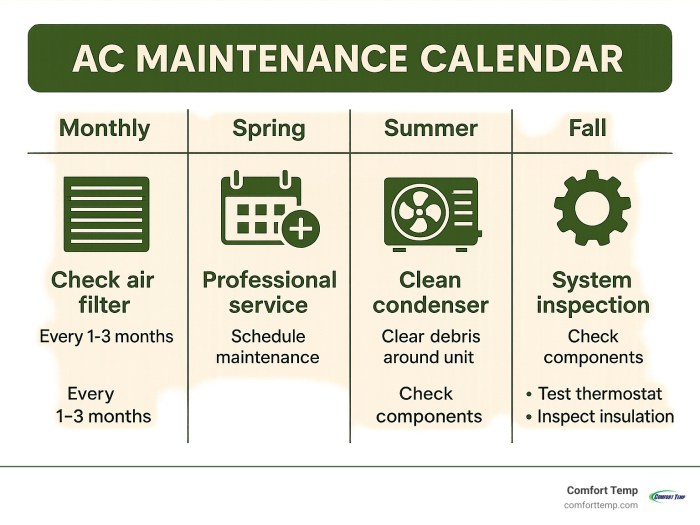
One of the key DIY maintenance tasks for homeowners is cleaning vents and changing filters regularly. Clogged vents and dirty filters can restrict airflow, making your AC work harder and less efficiently. By keeping these components clean, you can improve airflow and reduce strain on your system.
- Use a vacuum or brush attachment to clean the vents and remove any dust or debris buildup.
- Check your filters every month and replace them if they are dirty or clogged. Clean filters help maintain good indoor air quality and improve energy efficiency.
Clearing Debris Around the Outdoor Unit
Another important DIY maintenance task is to ensure that the area around your outdoor unit is clear of debris. Leaves, branches, and other outdoor debris can obstruct airflow and affect the performance of your AC unit.
- Regularly inspect the area around your outdoor unit and remove any debris that may have accumulated.
- Trim back any vegetation or shrubs that are too close to the unit to allow for proper airflow.
Safety Precautions and Best Practices
When performing DIY maintenance on your AC unit, it's important to prioritize safety to avoid accidents or damage to the system.
- Always turn off the power to the unit before performing any maintenance tasks.
- Wear protective gear, such as gloves and goggles, when cleaning vents or handling filters.
- Refer to your owner's manual for specific maintenance instructions and follow them carefully.
- If you are unsure about any maintenance task, it's best to consult a professional to avoid causing damage to your system.
Cost Considerations and Value of Annual Maintenance
Regular maintenance of your AC system can seem like an added expense, but when you consider the potential costs of repairs or even a full replacement, the value becomes clear. Investing in an annual maintenance plan can actually save you money in the long run.
Comparing Costs
- An annual AC maintenance plan typically costs between $100 to $200, depending on the service provider and the level of coverage.
- On the other hand, a major repair for your AC system can range from $300 to $1,500 or more, depending on the extent of the issue.
- If your AC system breaks down completely and needs to be replaced, you could be looking at costs ranging from $3,000 to $7,000 or even more.
Value Proposition
Regular maintenance not only helps prevent unexpected breakdowns but also ensures that your system operates efficiently, saving you money on energy bills. By addressing minor issues early on, you can prevent them from turning into major repairs that are costly.
Longevity of HVAC System
A well-maintained AC system can last up to 15 years or more, compared to an unmaintained system that might only last 10 years.
Regular maintenance, such as cleaning coils, checking refrigerant levels, and inspecting components, can extend the lifespan of your HVAC system. This means you won't have to worry about premature replacement costs and can enjoy the comfort of a properly functioning AC for years to come.
Finding a Reliable HVAC Service Provider
When it comes to maintaining your AC system, finding a reliable HVAC service provider is crucial for ensuring the longevity and efficiency of your unit. Here are some tips to help you select the right technician for your annual maintenance needs.
Importance of Certifications, Experience, and Customer Reviews
It is essential to look for HVAC technicians who are certified and have the necessary experience to handle your AC system. Certifications ensure that the technician has undergone proper training and is knowledgeable about the latest industry standards. Additionally, checking customer reviews can give you insight into the quality of service provided by the technician.
Considerations for Evaluating Service Contracts and Pricing
When choosing a HVAC service provider, it is important to carefully evaluate the service contracts and pricing structures offered. Look for providers who offer transparent pricing and detailed service contracts that Artikel the scope of work to be performed. Compare pricing structures from different providers to ensure you are getting the best value for your money.
Conclusive Thoughts

In conclusion, an annual AC maintenance plan is not just about fixing what's broken but about preventing issues before they arise. By investing in regular upkeep, you're not only saving money in the long run but also ensuring your comfort and peace of mind.
Stay cool, stay efficient, and stay worry-free with a well-executed maintenance plan.
Helpful Answers
How often should I schedule annual AC maintenance?
It's recommended to schedule annual AC maintenance at least once a year, preferably before the summer season begins to ensure optimal performance.
Can I perform AC maintenance tasks on my own?
While some simple tasks can be done by homeowners, it's best to leave complex maintenance procedures to professional technicians to avoid any damage to the system.
What are the benefits of regular AC maintenance?
Regular maintenance helps in improving efficiency, reducing energy costs, extending the lifespan of your AC unit, and preventing major breakdowns.
Is it worth investing in an annual maintenance plan?
Yes, investing in an annual maintenance plan can save you money in the long run by preventing costly repairs and ensuring your system operates efficiently.