When it comes to finding the perfect AC installation near me, there are various factors to consider to ensure you make the right choice. From determining the ideal location for your AC unit to understanding the different types of systems available, this guide covers everything you need to know to make an informed decision.
Factors to Consider for AC Installation Near Me
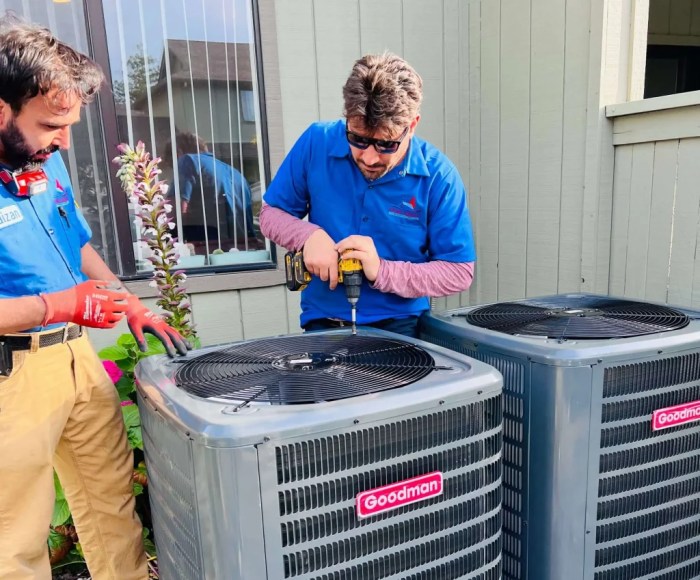
When looking to install an AC unit in your area, there are several important factors to consider to ensure optimal performance and efficiency.
Identifying the Ideal Location for Installing an AC Unit
Choosing the right location for your AC unit is crucial for its overall performance. It's essential to place the unit in a spot that allows for proper airflow and circulation throughout the room. Avoid placing the AC near any obstructions that could block the airflow, such as curtains or furniture.
Additionally, consider installing the unit away from direct sunlight to prevent overheating and optimize cooling efficiency.
Importance of Proper Sizing for Efficient Cooling
Ensuring that your AC unit is properly sized for the space it will cool is key to maximizing its efficiency. An undersized unit will have to work harder to cool the area, leading to higher energy consumption and potential wear and tear on the system.
On the other hand, an oversized unit may cool the space too quickly, resulting in frequent cycling on and off, which can also decrease energy efficiency and overall comfort.
Significance of Energy Efficiency Ratings in Choosing a New AC
When selecting a new AC unit, pay attention to its energy efficiency ratings, such as SEER (Seasonal Energy Efficiency Ratio). A higher SEER rating indicates better energy efficiency, resulting in lower energy costs and reduced environmental impact. Investing in an energy-efficient AC unit not only saves you money in the long run but also contributes to a greener and more sustainable environment.
Types of AC Systems Suitable for Different Spaces
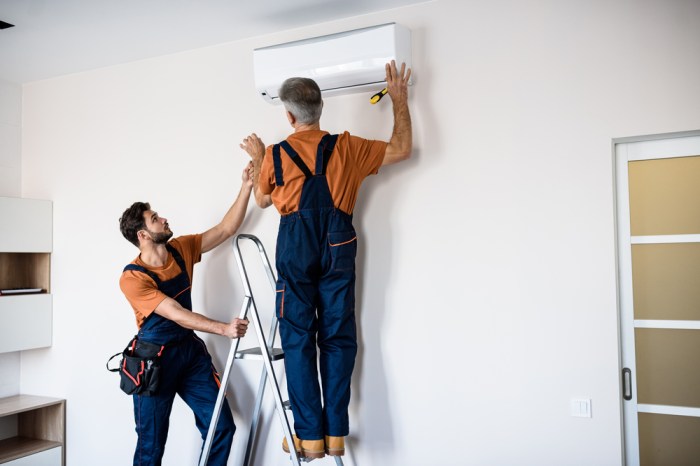
When it comes to choosing the right air conditioning system for your space, it's essential to consider factors such as the size of the area, layout, and specific cooling needs. Different types of AC systems cater to varying requirements, offering unique features and benefits.
Window AC Units vs. Split AC Systems
Window AC units are typically more affordable and easier to install, making them a popular choice for smaller spaces or single rooms. They are compact and sit directly in a window, providing both cooling and dehumidifying functions. On the other hand, split AC systems consist of an indoor unit and an outdoor compressor, offering more efficient cooling for larger areas or multiple rooms.
They are quieter, energy-efficient, and provide better temperature control compared to window units.
Benefits of Ductless Mini-Split AC Systems
Ductless mini-split AC systems are ideal for specific areas where ductwork installation is not feasible or desired. They consist of an outdoor compressor unit connected to one or more indoor air-handling units, allowing for zone cooling and individual temperature control.
These systems are energy-efficient, easy to install, and provide quiet operation, making them a great choice for renovations, room additions, or spaces with limited ductwork options.
Requirements for Central Air Conditioning Installations
Central air conditioning systems are designed to cool an entire house or building through a network of ducts that distribute conditioned air. Installing a central AC system requires careful planning, including sizing the unit based on the square footage of the space, ensuring proper ductwork design and installation, and selecting the right SEER (Seasonal Energy Efficiency Ratio) rating for energy savings.
Professional installation is recommended to ensure optimal performance and efficiency of a central AC system.
Installation Process for AC Units
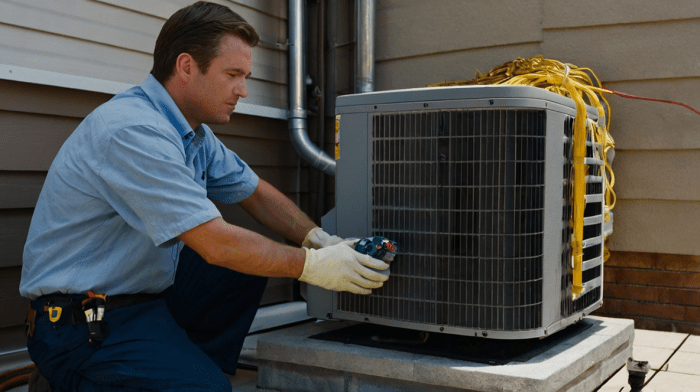
When it comes to installing AC units, it is essential to follow the correct procedures to ensure optimal performance and safety. Below, we will discuss the step-by-step process of installing both window AC units and split AC systems, as well as provide some safety tips for those considering a DIY installation.
Installing a Window AC Unit
- Select a suitable location near a power outlet and window.
- Secure the mounting brackets and properly insulate the space around the unit.
- Carefully lift and place the unit into the window opening.
- Attach the side curtains and secure the unit in place.
- Connect the power cord and turn on the unit to test its functionality.
Installing a Split AC System
- Install the indoor unit on a sturdy wall in the desired location.
- Position the outdoor unit in a well-ventilated area, away from direct sunlight or obstacles.
- Connect the indoor and outdoor units using refrigerant lines and electrical wiring.
- Test the system to ensure proper cooling and heating functions.
Safety Tips for DIY AC Installations
- Always turn off the power supply before starting the installation process.
- Use proper tools and equipment to prevent accidents or damage to the unit.
- Follow the manufacturer's instructions carefully to avoid mistakes.
- If unsure about any step, seek professional help to ensure a safe and efficient installation.
Maintenance Tips After AC Installation
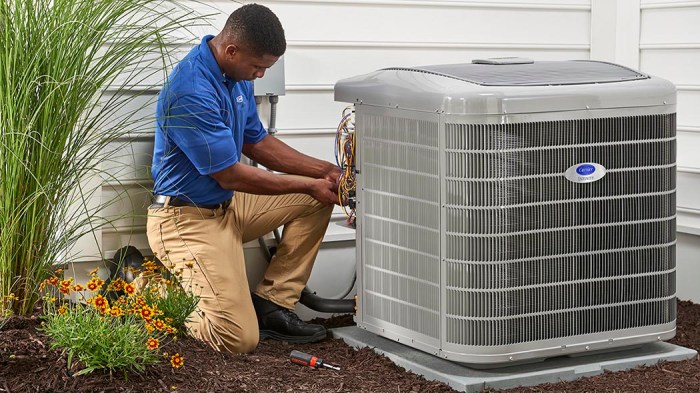
After your AC unit has been installed, it's crucial to keep up with regular maintenance to ensure optimal performance and longevity. Here are some essential maintenance tips to follow:
Design a maintenance schedule to ensure optimal performance
- Set a regular schedule for cleaning and inspecting your AC unit, including checking the filters, coils, and ducts.
- Make sure to schedule professional maintenance at least once a year to identify any issues early on.
Explain the importance of regular filter replacements
- Regularly changing the filters helps maintain good air quality and prevents dust and debris from accumulating in the system.
- Clogged filters can restrict airflow and reduce the efficiency of your AC unit, leading to higher energy consumption.
Discuss the benefits of professional AC maintenance services
- Professional maintenance services can help identify and address potential issues before they escalate, saving you from costly repairs down the line.
- Technicians can also ensure that your AC unit is running efficiently, saving you money on energy bills in the long run.
Closing Summary
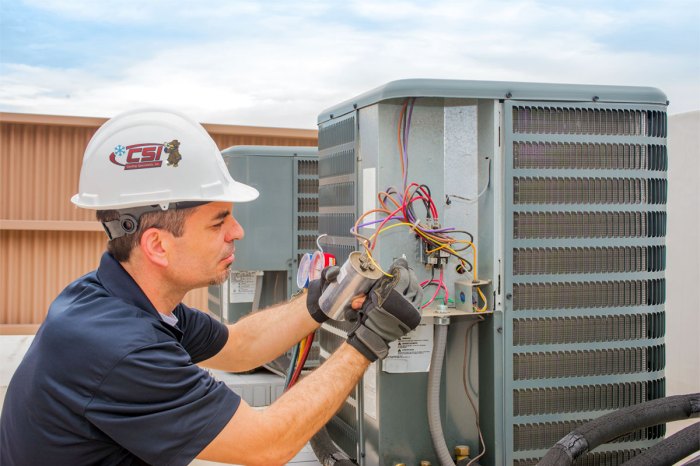
In conclusion, navigating the world of AC installation near me can seem overwhelming, but armed with the right information and considerations, you can easily find the best option for your cooling needs. Remember to prioritize factors like energy efficiency and proper maintenance to keep your AC unit running smoothly for years to come.
Answers to Common Questions
What is the ideal location for installing an AC unit?
The ideal location is one that allows for proper airflow and is away from direct sunlight or heat sources.
What are the benefits of ductless mini-split AC systems?
Ductless mini-split systems are great for specific areas because they offer individualized cooling control and are energy-efficient.
How often should I replace my AC filters?
It's recommended to replace AC filters every 1-3 months to ensure optimal performance.
Why is professional AC maintenance important?
Professional maintenance services can help identify issues early, improve efficiency, and prolong the lifespan of your AC unit.