When it comes to flat roof repair services, staying proactive is key to maintaining a sturdy structure over your head. From common issues to effective repair techniques, this guide dives deep into the world of flat roof maintenance, providing you with valuable insights and expert advice.
Get ready to explore the ins and outs of keeping your flat roof in top shape!
Importance of Flat Roof Repair Services
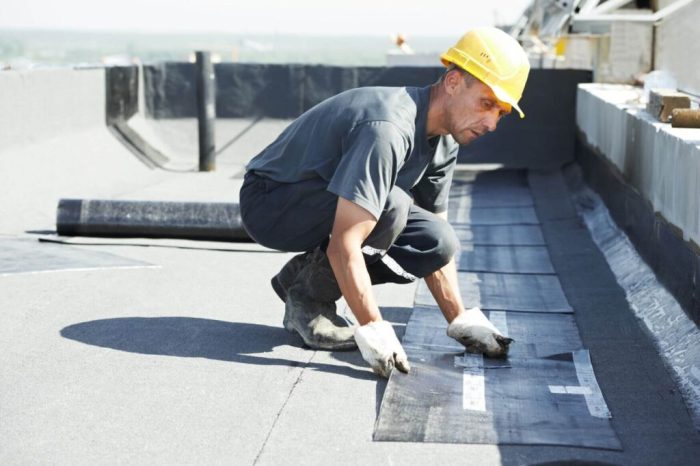
Regular maintenance and repair of flat roofs are crucial to ensure the longevity and structural integrity of buildings. Neglecting flat roof repairs can lead to various issues that may escalate into costly and extensive damage.
Common Issues with Flat Roofs
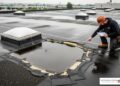
- Pooling water: Flat roofs are prone to water accumulation, which can lead to leaks and deterioration of the roofing material.
- Punctures and tears: Harsh weather conditions, foot traffic, and debris can cause punctures and tears in the roofing membrane, compromising its effectiveness.
- Blisters and cracks: Changes in temperature can cause the roof membrane to expand and contract, leading to the formation of blisters and cracks that allow water infiltration.
Consequences of Neglecting Flat Roof Repairs
- Structural damage: Leaks and water infiltration can compromise the structural integrity of the building, leading to costly repairs and potential safety hazards.
- Mold and mildew growth: Moisture trapped in the roof can create an ideal environment for mold and mildew growth, posing health risks to occupants.
- Energy inefficiency: A damaged flat roof can result in poor insulation and air leakage, leading to increased energy consumption and higher utility bills.
Types of Flat Roofing Materials
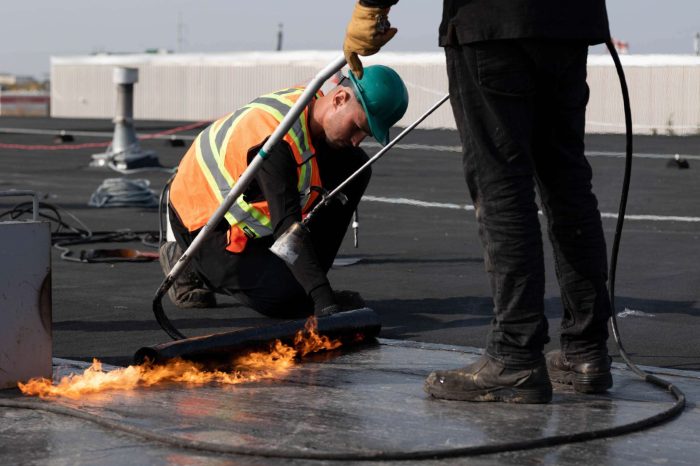
When it comes to flat roof repair, the choice of roofing material plays a crucial role in determining the longevity and maintenance requirements of the roof. Different types of materials are used for flat roofing, each with its own set of characteristics and considerations.
Let's explore some of the common options available:
1. Built-Up Roofing (BUR)
Built-Up Roofing, also known as tar and gravel roofing, consists of multiple layers of bitumen and reinforcing fabrics. This type of roofing is known for its durability and ability to withstand harsh weather conditions. However, BUR roofs require regular maintenance to prevent leaks and prolong their lifespan.
2. Modified Bitumen
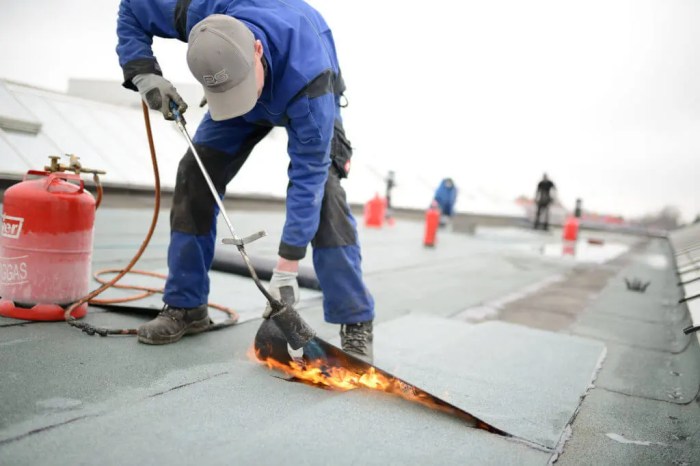
Modified Bitumen roofing is a single-ply rolled roofing material that is similar to BUR but with added modifiers to enhance its performance. It offers good flexibility and is easy to install, making it a popular choice for flat roofs. Regular inspections and maintenance are necessary to address any issues promptly.
3. EPDM Rubber
EPDM (Ethylene Propylene Diene Terpolymer) rubber roofing is a synthetic rubber membrane that is durable, weather-resistant, and easy to install. It is known for its longevity and low maintenance requirements. EPDM roofs can last for up to 50 years with proper care and periodic inspections.
4. PVC (Polyvinyl Chloride)
PVC roofing membranes are highly reflective, energy-efficient, and offer excellent resistance to chemicals, punctures, and UV rays. They are easy to maintain and repair, making them a cost-effective option for flat roofs. Regular cleaning and inspections can help extend the lifespan of PVC roofs.
Factors to Consider When Choosing a Material for Flat Roof Repair:
- Climate and weather conditions in your area
- Durability and lifespan of the roofing material
- Maintenance requirements and costs
- Energy efficiency and insulation properties
- Budget constraints and installation costs
Choosing the right roofing material for flat roof repair involves evaluating these factors and selecting the option that best suits your needs and budget. Consult with a professional roofing contractor to assess your roof's condition and recommend the most suitable material for repair or replacement.
Common Flat Roof Repair Techniques
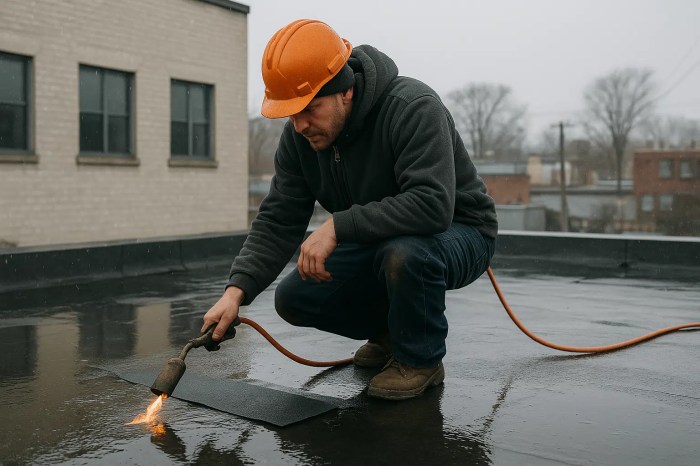
Flat roofs are prone to damage due to weather conditions, wear and tear, and poor installation. Repairing a flat roof requires specific techniques to ensure a long-lasting solution. Let's explore some common techniques used for flat roof repair.
Patching a Flat Roof
Patching a flat roof is a common repair technique to fix small leaks and damages. Here are the step-by-step instructions for patching a flat roof:
- Clean the damaged area thoroughly to remove any debris or dirt.
- Apply a coat of primer to ensure proper adhesion of the patching material.
- Cut a patch from a roofing material such as EPDM or TPO, ensuring it is larger than the damaged area.
- Apply a layer of roofing cement or sealant around the damaged area.
- Place the patch over the damaged area and press down firmly to ensure proper adhesion.
- Apply another layer of roofing cement or sealant over the patch to seal the edges and prevent water infiltration.
- Allow the patch to dry completely before inspecting for any additional leaks or damages.
DIY Repairs vs. Professional Services
While DIY repairs can be cost-effective, they may not always provide a long-term solution. Professional roofers have the expertise and tools to identify underlying issues and provide comprehensive repairs. Here is a comparison of DIY repairs versus professional services:
- DIY Repairs:
- Cost-effective for small repairs.
- May lack the expertise to identify underlying issues.
- Risk of improper repair leading to further damage.
- Professional Services:
- Expertise to identify and address underlying issues.
- Use of high-quality materials and tools for long-lasting repairs.
- Warranty on workmanship for added peace of mind.
Hiring Flat Roof Repair Services
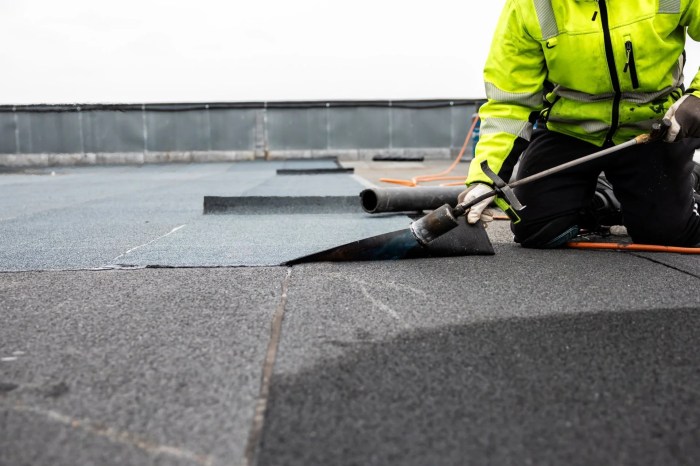
When it comes to hiring flat roof repair services, it is essential to find a reliable company that can provide quality workmanship. Here are some key factors to consider and tips for evaluating the quality of work provided by repair services.
Key Factors to Consider
- Experience: Look for a repair service with a proven track record in flat roof repairs. Experience often translates to expertise and reliability.
- License and Insurance: Ensure that the repair company is licensed and carries adequate insurance to protect both their workers and your property.
- References: Ask for references from past clients to get an idea of the quality of work and customer satisfaction provided by the repair service.
- Pricing: While cost is important, it should not be the sole determining factor. Compare quotes from different companies and consider the value offered for the price.
- Communication: Choose a repair service that communicates clearly and promptly, keeping you informed throughout the repair process.
Tips for Evaluating Work Quality
- Inspect Past Work: Request to see examples of past flat roof repairs completed by the company to assess the quality of their workmanship.
- Ask About Materials: Inquire about the materials the repair service uses and ensure they are of high quality and suitable for your specific flat roof.
- Warranty: Check if the repair service offers a warranty on their work. A warranty demonstrates confidence in their work and provides you with peace of mind.
- Online Reviews: Look for reviews and testimonials from previous customers to gauge the reputation and reliability of the repair service.
Cost of Flat Roof Repair
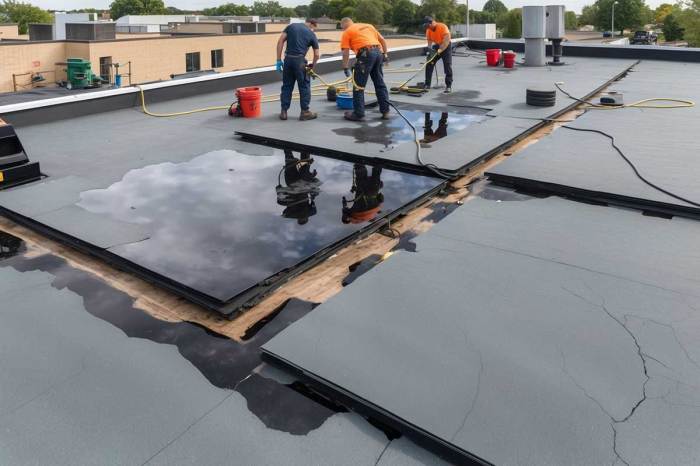
When it comes to flat roof repair services, the cost can vary depending on several factors. It's important to understand what influences the cost of these repairs, as well as how to budget effectively to ensure your flat roof is properly maintained.
Factors Affecting Cost
- The size of the repair area: Larger repair areas will naturally cost more than smaller ones.
- The extent of damage: The severity of the damage to your flat roof will impact the overall cost of repairs.
- The type of flat roofing material: Different materials have varying costs associated with repairs.
- The accessibility of the roof: If your flat roof is difficult to access, it may require more time and labor, thus increasing the cost.
Estimates for Common Projects
| Repair Project | Estimated Cost |
|---|---|
| Replacing damaged flashing | $200
|
| Patching a small leak | $300
|
| Resealing the entire roof | $1,000
|
| Repairing sagging areas | $500
|
Budgeting and Cost-Saving Strategies
When budgeting for flat roof repairs, it's important to set aside a portion of your overall maintenance budget for unforeseen repairs. Additionally, consider the following cost-saving strategies:
- Regular inspections and maintenance to catch issues early on, reducing the need for costly repairs.
- Compare quotes from multiple roofing contractors to ensure you're getting a fair price for the repair work.
- Consider scheduling repairs during off-peak seasons when contractors may offer discounts.
- Invest in high-quality materials that may cost more upfront but can lead to long-term savings by reducing the need for frequent repairs.
Conclusive Thoughts
As we wrap up our discussion on flat roof repair services, remember that a well-maintained roof is crucial for the overall health of your property. By understanding the importance of regular maintenance, exploring different repair techniques, and knowing how to choose the right materials, you can ensure that your flat roof remains strong and durable for years to come.
Stay informed, stay proactive, and enjoy a safe and secure living space under the protection of a well-cared-for flat roof.
FAQ Guide
What are the consequences of neglecting flat roof repairs?
Neglecting flat roof repairs can lead to water damage, structural issues, and mold growth, compromising the integrity of your property.
How do I find a reliable flat roof repair company?
Look for companies with positive reviews, proper licensing and insurance, and a good track record of delivering quality work.
What factors should I consider when choosing a material for flat roof repair?
Consider factors such as durability, maintenance requirements, cost, and how well the material suits the climate in your area.
How can I budget for flat roof repairs?
Start by getting estimates from multiple companies, prioritize necessary repairs, and explore cost-saving strategies like regular maintenance.