With industrial roofing inspection services at the forefront, this paragraph opens a window to an amazing start and intrigue, inviting readers to embark on a storytelling journey filled with unexpected twists and insights. Regular inspections are the backbone of a sturdy industrial roof, ensuring its durability and safety.
Let's delve into the importance, methods, frequency, and reporting involved in industrial roofing inspections.
Industrial roofs are not just overhead coverings; they are crucial components of a building's structural integrity. Neglecting inspections can lead to costly repairs, safety hazards, and operational disruptions. Let's explore the world of industrial roofing inspections to uncover hidden issues and safeguard your investment.
Importance of Industrial Roofing Inspection Services
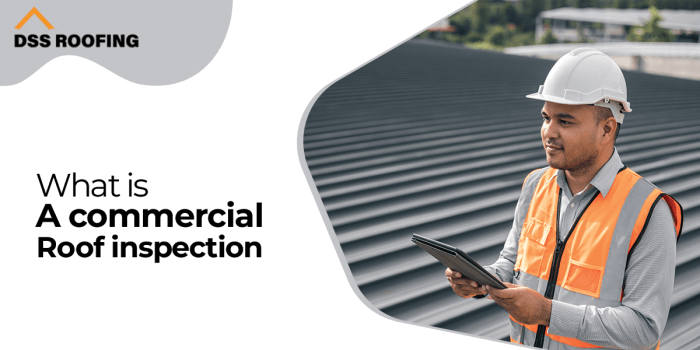
Regular inspections are crucial for industrial roofs to ensure their structural integrity and longevity. By conducting routine inspections, potential issues can be identified and addressed promptly, preventing costly repairs or replacements in the future.
Potential Risks of Neglecting Roof Inspections
- Neglecting roof inspections can lead to leaks, which can cause damage to equipment and inventory stored in industrial facilities.
- Structural damage due to undetected issues can compromise the safety of workers and visitors within the industrial building.
- Increased energy costs may result from poor insulation or ventilation problems that could have been identified through regular inspections.
Common Issues Detected Through Inspections
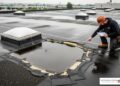
- Water ponding on the roof surface, which can lead to deterioration of the roofing materials and eventual leaks.
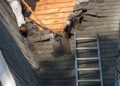
- Cracked or blistered roof membranes that can allow water infiltration and cause internal damage to the building.
- Loose or missing flashing around roof penetrations, such as vents or HVAC units, which can create entry points for water.
Methods Used in Industrial Roofing Inspections
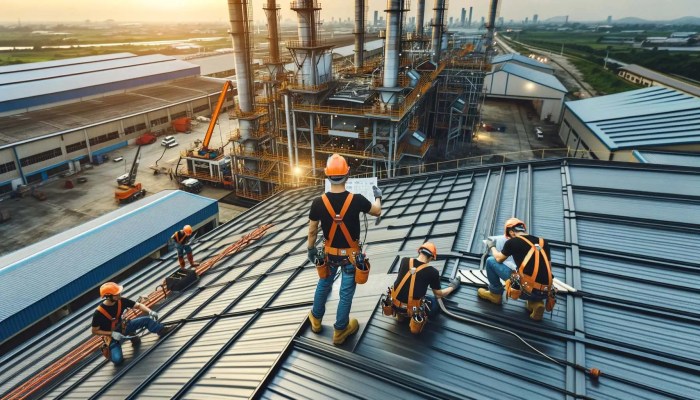
Industrial roofing inspections utilize various techniques and tools to ensure the integrity and safety of the roof structure. Visual inspections, infrared scans, and the use of drones are common methods employed in the process.
Visual Inspections vs. Infrared Scans
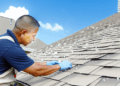
Visual inspections involve a physical examination of the roof surface, looking for signs of damage, wear and tear, or other issues that may compromise the roof's functionality. This method is effective in identifying visible problems such as cracks, leaks, or missing materials.
On the other hand, infrared scans use thermal imaging technology to detect hidden issues like moisture trapped under the roof membrane. This method can pinpoint areas of concern that are not visible to the naked eye, allowing for proactive maintenance to prevent further damage.
Role of Drones in Roof Inspections
Drones have become increasingly popular in conducting industrial roof inspections due to their ability to access hard-to-reach areas safely and efficiently. Equipped with cameras and sensors, drones can capture high-resolution images and data, providing a comprehensive view of the roof condition.
This technology allows inspectors to identify potential problems early on and plan for necessary repairs or maintenance. Drones also help reduce the risks associated with manual inspections, making the process quicker and more cost-effective.
Frequency and Timing of Inspections
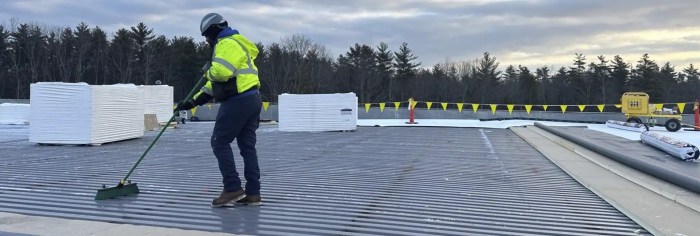
Industrial roofing inspections should be conducted regularly to ensure the safety and integrity of the building. The recommended frequency of inspections typically ranges from twice a year to quarterly, depending on the age of the roof, weather conditions, and any previous issues that have been identified.
Seasonal Impact on Timing
Seasonal changes can greatly impact the timing of industrial roofing inspections. For example, it is ideal to conduct inspections before and after the winter season to check for any damage caused by snow, ice, or freezing temperatures. Additionally, inspections after heavy rain or storms during the spring and summer months can help identify any leaks or water damage.
- During the fall season, it is important to inspect the roof for any debris buildup from falling leaves and branches, which can lead to clogged drains and potential water pooling.
- Extreme temperatures in the summer can cause the roofing materials to expand and contract, potentially leading to cracks or damage that need to be addressed promptly.
Immediate Inspection Needs
There are situations that may require immediate industrial roofing inspections outside the regular schedule. For instance, if there is a severe storm with high winds in the area, it is crucial to inspect the roof as soon as possible to assess any damage and prevent further issues.
Similarly, any signs of water leakage inside the building should prompt an immediate inspection to identify the source and prevent structural damage.
- Leaks or water stains on the ceiling or walls indicate a potential roofing issue that needs to be addressed promptly to avoid mold growth and further damage.
- Unusual odors or mold growth in the building can also indicate a roofing problem that requires immediate attention to maintain a safe and healthy environment.
Reporting and Documentation
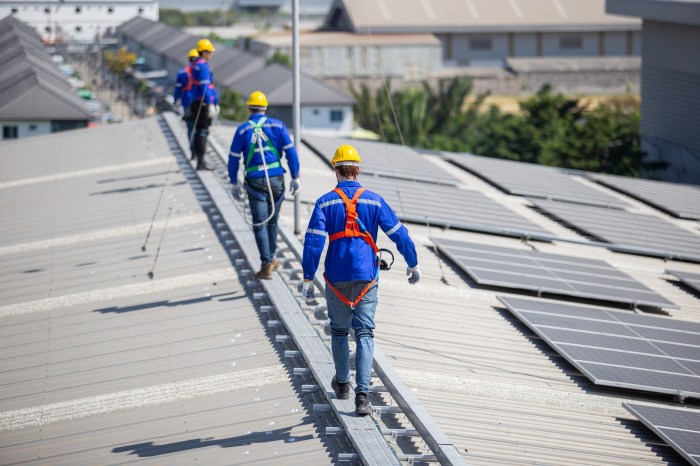
When it comes to industrial roofing inspections, reporting and documentation play a crucial role in ensuring the integrity and longevity of the roof structure. A comprehensive inspection report serves as a record of the current condition of the roof, highlighting any issues that need to be addressed and providing recommendations for maintenance or repairs.
Essential Components of a Comprehensive Inspection Report
Creating a detailed inspection report involves documenting various key components that contribute to the overall health of the industrial roof. Some essential elements to include in the report are:
- Detailed description of the roof's current condition, including any visible damage or signs of wear and tear.
- Photographs or drawings to visually document the areas of concern.
- Identification of potential hazards or safety risks that need immediate attention.
- Recommendations for maintenance, repairs, or replacements based on the findings of the inspection.
- A summary of the inspection process, including the methods used and the date of inspection.
Importance of Documenting Findings and Recommendations
Documenting the findings and recommendations from industrial roofing inspections is essential for several reasons. Firstly, it provides a historical record of the roof's condition over time, allowing for trend analysis and proactive maintenance planning. Additionally, it serves as a communication tool between the inspection team, building owners, and maintenance personnel, ensuring that everyone is on the same page regarding the necessary actions to be taken.
Sample Template for an Industrial Roofing Inspection Report
| Section | Description |
|---|---|
| 1. Roof Information | Includes details such as roof type, age, and square footage. |
| 2. Inspection Date | Specifies the date when the inspection took place. |
| 3. Findings | Describes the current condition of the roof, highlighting any issues. |
| 4. Recommendations | Provides actionable recommendations for maintenance or repairs. |
| 5. Conclusion | Summarizes the key findings and next steps to be taken. |
Final Thoughts
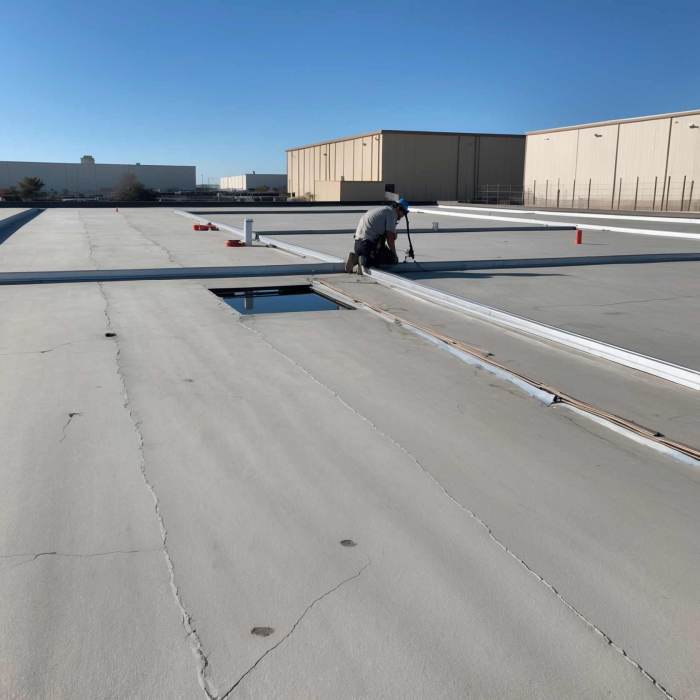
In conclusion, industrial roofing inspection services play a vital role in maintaining the health of your roof and the safety of your building. By conducting regular inspections, using advanced methods, and documenting findings meticulously, you can ensure that your industrial roof stands strong against the test of time.
Stay proactive, stay safe, and stay informed with industrial roofing inspection services.
Detailed FAQs
How often should industrial roofing inspections be performed?
Industrial roofing inspections should ideally be conducted at least twice a year, with additional inspections after severe weather events.
What are the common issues detected through industrial roofing inspections?
Common issues include leaks, ponding water, membrane damage, and issues with flashing or seals.
What is the role of drones in conducting roof inspections?
Drones are used to access hard-to-reach areas and provide detailed aerial footage for thorough roof assessments.