As storm damage roofing contractors take the spotlight, this introduction invites readers with a blend of expertise and clarity, ensuring an informative and engaging read.
The following paragraphs will delve into the importance of professional contractors, qualifications to look for, inspection processes, materials used, and more.
Importance of Storm Damage Roofing Contractors
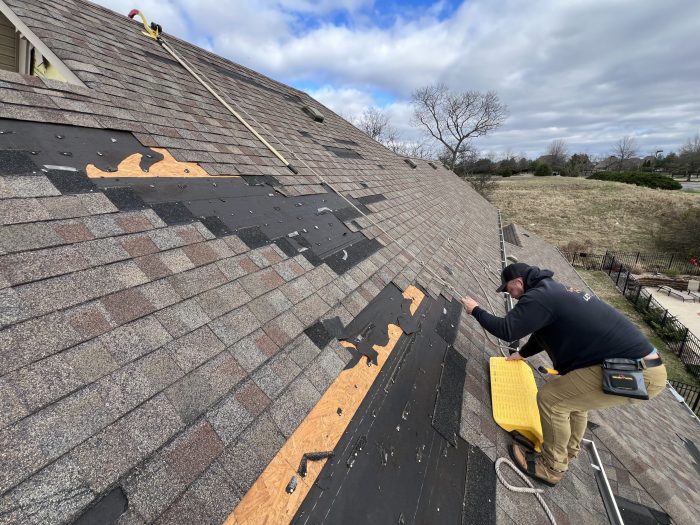
Storm damage roofing contractors play a crucial role in repairing and restoring roofs after severe weather events such as hurricanes, tornadoes, or hailstorms. These professionals are equipped with the knowledge, skills, and tools necessary to assess the extent of the damage and provide effective solutions to ensure the structural integrity of the roof.
Significance of Hiring Professional Contractors
- Professionalism: Professional contractors have the expertise and experience to handle storm damage repairs efficiently and effectively.
- Safety: Roof repairs can be hazardous, especially after a storm. Professional contractors are trained to work safely at heights and follow proper safety protocols.
- Quality Workmanship: Hiring professional contractors ensures that the repairs are done correctly, using high-quality materials and techniques that will withstand future storms.
Common Storm Damage Issues
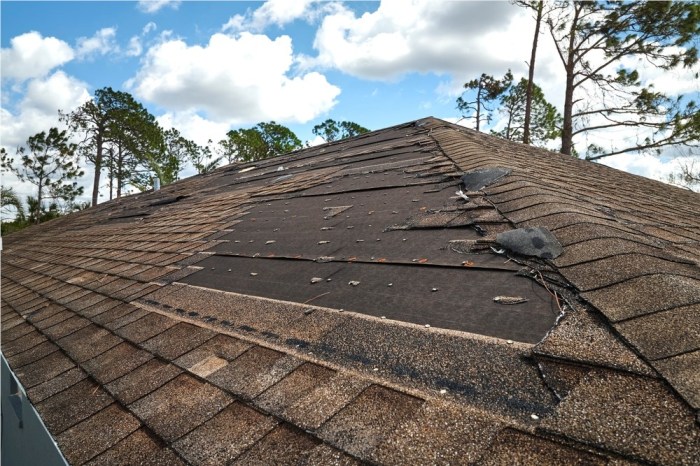
- Missing or Damaged Shingles: High winds from storms can cause shingles to be ripped off or damaged, leaving the underlying roof structure vulnerable to water leaks.
- Leaks and Water Damage: Heavy rain and hail can create leaks in the roof, leading to water damage in the interior of the building.
- Hail Damage: Hailstorms can cause dents, cracks, and punctures in the roof, compromising its ability to protect the building from future weather events.
Qualifications and Credentials
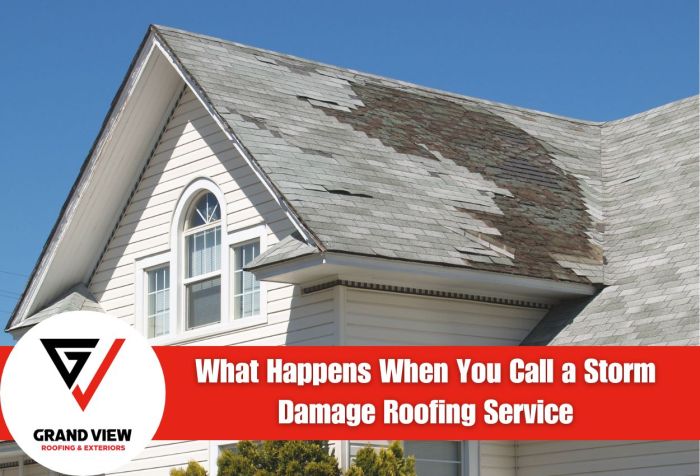
When hiring storm damage roofing contractors, it is crucial to look for professionals with the right qualifications and credentials to ensure the job is done correctly and efficiently.
Essential Qualifications and Licenses
- Roofing License: Reputable contractors should have a valid roofing license, which demonstrates their expertise and compliance with industry standards.
- Certifications: Look for contractors who are certified by leading roofing manufacturers, as this indicates specialized training and knowledge.
- Insurance: Ensure the contractor has liability insurance and workers' compensation coverage to protect both parties in case of accidents or damages during the repair process.
Importance of Insurance Coverage
Having insurance coverage is crucial for both contractors and homeowners during storm damage repairs. In the event of accidents, injuries, or property damage, insurance provides financial protection and peace of mind. It ensures that any liabilities or unforeseen circumstances are covered, relieving the financial burden on both parties involved in the roofing project.
Assessment and Inspection Process
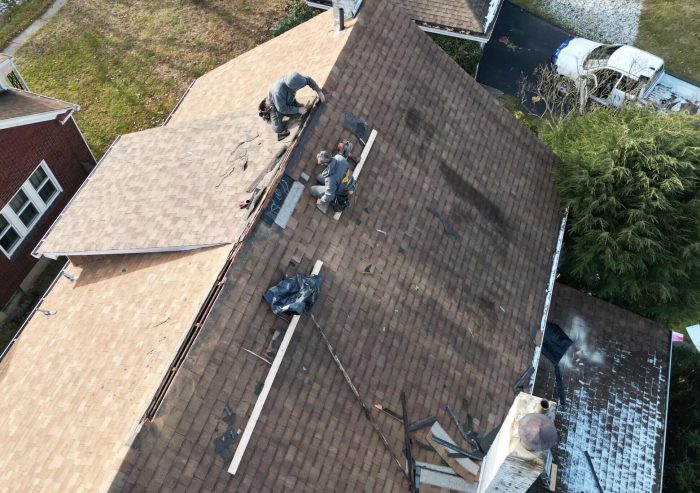
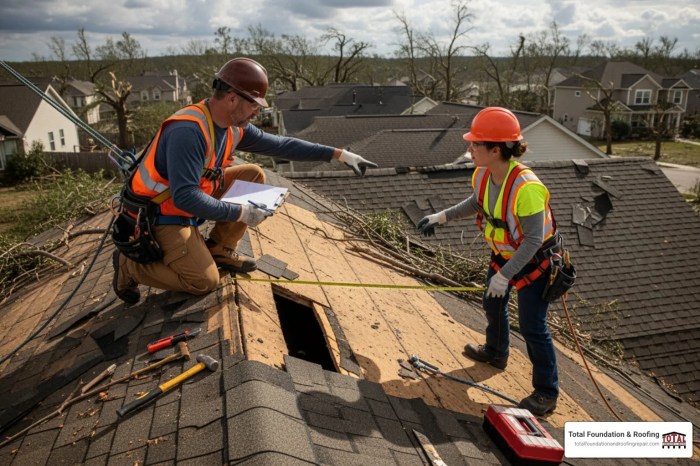
When it comes to storm damage roofing contractors, the assessment and inspection process is a crucial step in determining the extent of damage and developing a repair plan. These professionals follow a systematic approach to ensure all damage is properly identified and addressed.
Typical Assessment and Inspection Process
- Initial Inspection: The contractor will conduct a thorough examination of the roof, looking for visible signs of damage such as missing shingles, dents, or punctures.
- Interior Inspection: In some cases, contractors may need to inspect the interior of the property to check for water leaks, moisture, or other indications of roof damage.
- Documentation: Detailed documentation of the damage is essential for insurance claims and repair planning. Photographs, measurements, and notes are typically taken during the inspection.
- Hail Damage Assessment: For hail damage, contractors will inspect the roof for dents and other impact marks caused by hailstones.
Importance of Thorough Inspections
Thorough inspections are vital in identifying hidden damage that may not be immediately visible to the untrained eye. By conducting a comprehensive assessment, storm damage roofing contractors can ensure that all damage is properly addressed and repaired, preventing future issues and prolonging the lifespan of the roof.
Materials and Techniques
When it comes to storm damage repairs, roofing contractors utilize a variety of materials and techniques to ensure the durability and effectiveness of the repairs. These materials and techniques have evolved over time, incorporating advancements in technology to improve outcomes.
Types of Roofing Materials
Roofing contractors commonly use materials such as asphalt shingles, metal roofing, clay or concrete tiles, and wood shakes for storm damage repairs. Each material has its own unique characteristics and benefits.
- Asphalt shingles are popular for their affordability and ease of installation, but may not be as durable as other materials.
- Metal roofing is known for its longevity and resistance to fire, but can be more expensive upfront.
- Clay or concrete tiles provide a classic look and excellent durability, but may be heavier and require additional support.
- Wood shakes offer a natural aesthetic appeal, but require regular maintenance to prevent rot and decay.
Techniques for Storm Damage Repairs
Roofing contractors employ various techniques to repair storm damage, ensuring the structural integrity of the roof is restored. Advancements in technology have enabled more efficient and effective repair processes.
- One common technique is roof patching, where damaged areas are repaired with new materials to prevent further water intrusion.
- Reroofing involves replacing the entire roof surface with new materials, providing a long-term solution for extensive damage.
- Sealant application is used to reinforce vulnerable areas and prevent leaks, enhancing the overall resilience of the roof.
- Roof reinforcement techniques, such as adding additional support or bracing, can help strengthen the roof against future storms.
Final Review
In conclusion, storm damage roofing contractors play a vital role in restoring roofs post severe weather events. By understanding their significance, qualifications, and techniques, homeowners can make informed decisions for effective repairs.
Frequently Asked Questions
What qualifications should I look for when hiring storm damage roofing contractors?
Look for contractors with proper certifications, licenses, and insurance coverage to ensure professionalism and protection.
How do contractors assess storm damage and develop repair plans?
Contractors conduct thorough inspections to determine the extent of damage and create effective repair strategies.
What are some common storm damage issues that require professional roofing contractors?
Issues like roof leaks, missing shingles, and structural damage are best handled by experienced contractors for lasting repairs.
What materials are commonly used by roofing contractors for storm damage repairs?
Contractors utilize materials like asphalt shingles, metal roofing, and tiles to ensure durability and longevity in repair projects.