When it comes to maintaining commercial properties, one crucial aspect often overlooked is the regular inspection of commercial roofs. These inspections play a vital role in ensuring the structural integrity and longevity of a building, safeguarding against potential risks that could arise from neglect.
Let's delve into the world of commercial roof inspection services and explore their significance in detail.
Importance of Commercial Roof Inspection Services
Regular inspections for commercial roofs are crucial to ensure the safety and integrity of the building. By conducting routine inspections, potential issues can be identified and addressed promptly, preventing costly repairs or replacements in the future.
Identifying Potential Risks
- Inspections help in identifying leaks, cracks, or other damages that can lead to water infiltration and structural damage.
- Detecting signs of wear and tear early on can prevent more extensive damage to the roof and the building itself.
- Regular inspections can also uncover issues with drainage systems, which if neglected, can result in water pooling and further damage.
Prolonging Roof Lifespan
- Timely inspections and maintenance can extend the lifespan of a commercial roof significantly.
- Addressing minor repairs promptly can prevent them from escalating into larger, more costly problems.
- Regular inspections can also help in ensuring that the roof is in compliance with industry standards and regulations.
Types of Commercial Roof Inspections
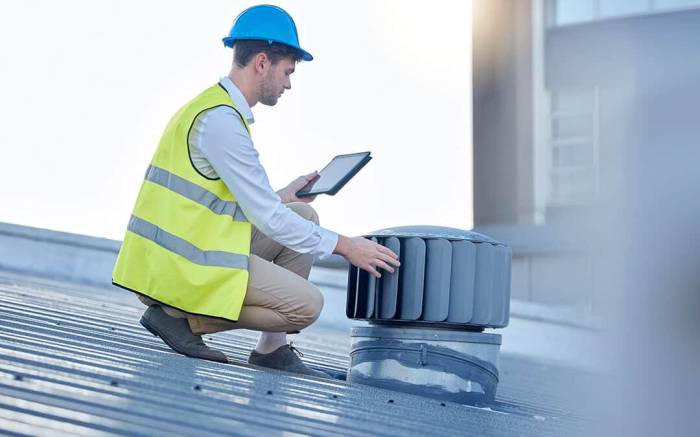
Commercial roof inspections come in various types, each serving a specific purpose in ensuring the safety and functionality of the roof. Let's explore the different types of commercial roof inspections below.
Routine Inspections
Routine inspections are regular assessments of the commercial roof to detect any potential issues before they escalate into major problems. These inspections are typically conducted annually or bi-annually to maintain the roof's integrity and prolong its lifespan.
Post-Storm Inspections
Post-storm inspections are performed after severe weather events, such as hurricanes or hailstorms, to assess any damage caused to the commercial roof. It is essential to identify and address any issues promptly to prevent further damage and ensure the roof's structural integrity.
Pre-Purchase Inspections
Pre-purchase inspections are conducted before buying a property to evaluate the condition of the commercial roof. These inspections help potential buyers make informed decisions and understand any potential repair or maintenance costs associated with the roof.
Visual Inspections vs. Infrared Scans
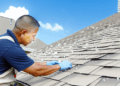
Visual inspections involve a physical examination of the roof's surface, looking for signs of damage, wear, or deterioration. On the other hand, infrared scans use thermal imaging technology to detect hidden issues, such as moisture or leaks, within the roof's layers.
While visual inspections are effective for surface-level problems, infrared scans provide a deeper analysis of the roof's condition.
Internal vs. External Inspections
Internal inspections involve examining the interior of the building to identify any signs of roof damage, such as water stains or leaks. External inspections, on the other hand, focus on assessing the roof's exterior, including the roofing materials, flashing, and drainage systems.
Both types of inspections are crucial in ensuring comprehensive evaluation of the commercial roof's condition.
Process of Conducting a Commercial Roof Inspection
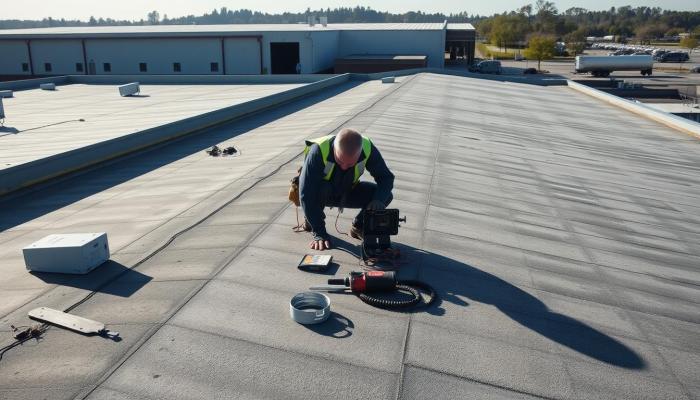
In order to ensure the safety and longevity of a commercial roof, regular inspections are crucial. Let's take a look at the step-by-step procedure followed during a typical roof inspection.
Tools and Equipment Required
When conducting a commercial roof inspection, the following tools and equipment are essential:
- Ladder: To access the roof safely and effectively.
- Moisture Meter: To detect any hidden leaks or moisture buildup.
- Binoculars: To closely inspect the roof from the ground level.
- Flashlight: To examine dark or shaded areas for any damage.
- Camera: To document findings and capture images of any issues.
Documenting Findings and Creating Inspection Reports
After conducting the inspection, it's important to document all findings and create a detailed inspection report. Best practices include:
- Recording all observations, including any signs of damage, leaks, or wear and tear.
- Taking clear and detailed photographs to support the findings.
- Providing recommendations for necessary repairs or maintenance actions.
- Creating a comprehensive report that Artikels the current condition of the roof and any immediate concerns.
Common Issues Found During Commercial Roof Inspections
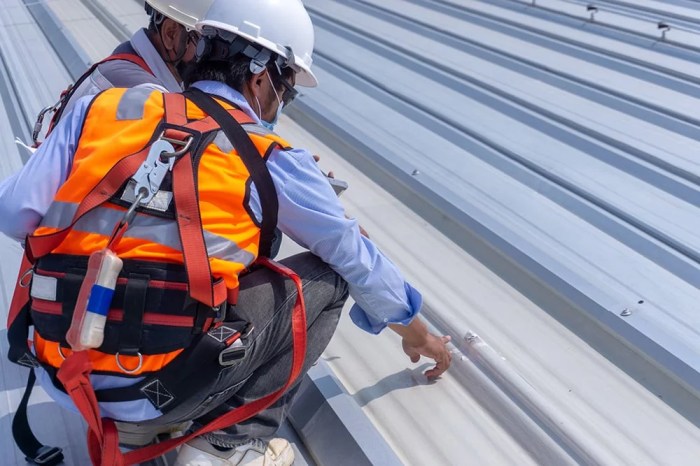
When conducting commercial roof inspections, there are several common issues that are often discovered. These issues can range from minor wear and tear to significant damage that requires immediate attention. It is crucial to address these problems promptly to prevent further deterioration and costly repairs in the future.
Typical Problems Found During Commercial Roof Inspections
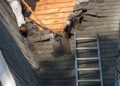
- Leaks: One of the most common issues found during roof inspections is leaks. These can be caused by damaged flashing, deteriorated sealants, or punctures in the roofing membrane.
- Cracks: Cracks in the roof surface can lead to water infiltration and compromise the structural integrity of the roof.
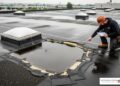
- Ponding Water: Standing water on the roof can indicate poor drainage and lead to roof deterioration, leaks, and mold growth.
- Membrane Damage: Damage to the roofing membrane, such as tears or punctures, can leave the underlying structure vulnerable to water damage.
Impact of Weather Conditions on Commercial Roof Integrity
Weather conditions play a significant role in the deterioration of commercial roofs. Extreme heat, UV exposure, heavy rainfall, snow, and ice can all contribute to the degradation of roofing materials over time. Harsh weather conditions can accelerate the aging process of the roof, making it more susceptible to damage and leaks.
Importance of Addressing Minor Issues Early
It is essential to address minor issues discovered during commercial roof inspections promptly. Ignoring small problems can lead to more significant issues down the line, resulting in costly repairs or even premature roof replacement. By addressing minor issues early on, property owners can prolong the lifespan of their roof and prevent more extensive damage in the future.
Benefits of Hiring Professional Roof Inspection Services
When it comes to maintaining the integrity of your commercial building, hiring professional roof inspection services can offer numerous benefits. These experts bring a wealth of expertise and experience to the table, ensuring that your roof is thoroughly assessed and any issues are effectively addressed.
Expertise and Experience of Professional Roofers
- Professional roofers have undergone extensive training and have years of experience in the industry, allowing them to accurately assess the condition of your roof.
- They are familiar with the latest technologies and best practices, ensuring that your roof inspection is conducted efficiently and effectively.
- Their expertise allows them to identify potential issues early on, preventing costly repairs down the line.
Cost-Effectiveness of Preventive Maintenance
- By investing in professional roof inspection services, you can catch minor issues before they escalate into major problems, saving you money in the long run.
- Regular inspections can help extend the lifespan of your roof, reducing the need for premature replacements.
- Preventive maintenance through professional inspections is a cost-effective way to ensure the longevity and durability of your commercial roof.
Identification of Hidden or Hard-to-Spot Issues
- Professional roofers have a keen eye for detail and can spot hidden or hard-to-detect issues that may go unnoticed by an untrained eye.
- They use specialized tools and techniques to uncover underlying problems, such as leaks, moisture buildup, or structural damage.
- Identifying these issues early on can prevent extensive damage to your roof and the interior of your building.
Closing Notes
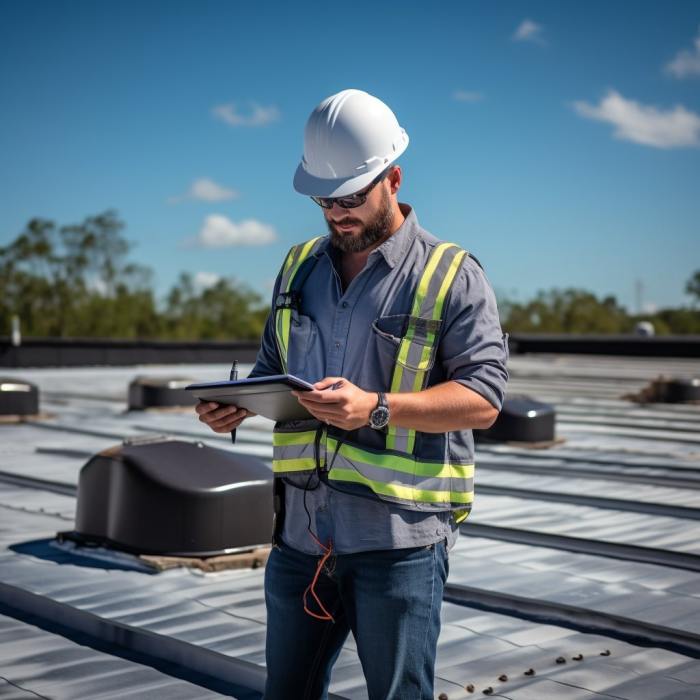
In conclusion, commercial roof inspection services are not just a routine maintenance task but a proactive measure to protect your investment. By identifying issues early on and addressing them promptly, you can save time, money, and prevent any major disruptions to your business operations.
Make sure to prioritize regular inspections to enjoy a safe and secure commercial space for years to come.
Expert Answers
What are the potential risks of neglecting commercial roof inspections?
Neglecting commercial roof inspections can lead to undetected issues such as leaks, structural damage, and reduced energy efficiency, ultimately resulting in costly repairs or even premature roof replacement.
What types of tools are required for a comprehensive commercial roof inspection?
Tools such as moisture meters, drones for aerial inspections, thermal imaging cameras, and binoculars are commonly used for a thorough commercial roof inspection to detect any underlying problems.
How can professional roof inspection services help in identifying hidden roof issues?
Professional roofers have the expertise to spot subtle signs of damage or wear that may go unnoticed during a visual inspection. Their experience allows them to uncover hidden issues and provide recommendations for preventive maintenance.