Embarking on the journey of central air installation, this guide offers a detailed and captivating exploration of the process, ensuring a smooth and efficient installation experience.
Delve into the nuances of central air installation to make informed decisions and optimize your cooling system for ultimate comfort and efficiency.
Overview of Central Air Installation
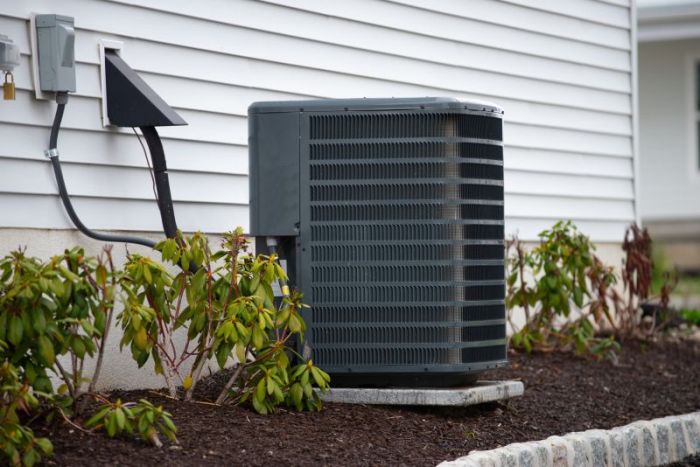
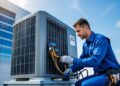
Central air installation involves the process of setting up a centralized cooling system that distributes cool air throughout an entire building or home. This typically includes installing an outdoor unit, ductwork, vents, and a thermostat to regulate the temperature.
Importance of Professional Installation
Professional installation of a central air system is crucial to ensure optimal performance and efficiency. Trained technicians have the expertise to properly size and install the system, maximizing its effectiveness and longevity. Improper installation can lead to costly repairs, reduced efficiency, and overall dissatisfaction with the system.
Comparison to Other Cooling Systems
- Central Air: Provides consistent cooling throughout the entire space, controlled by a thermostat. Requires ductwork for distribution.
- Window Units: Individual units placed in windows or walls for cooling specific areas. Less efficient and can be noisy.
- Ductless Mini-Splits: Provide cooling to specific zones without ductwork. More energy-efficient than window units but less effective for whole-house cooling.
Planning for Central Air Installation
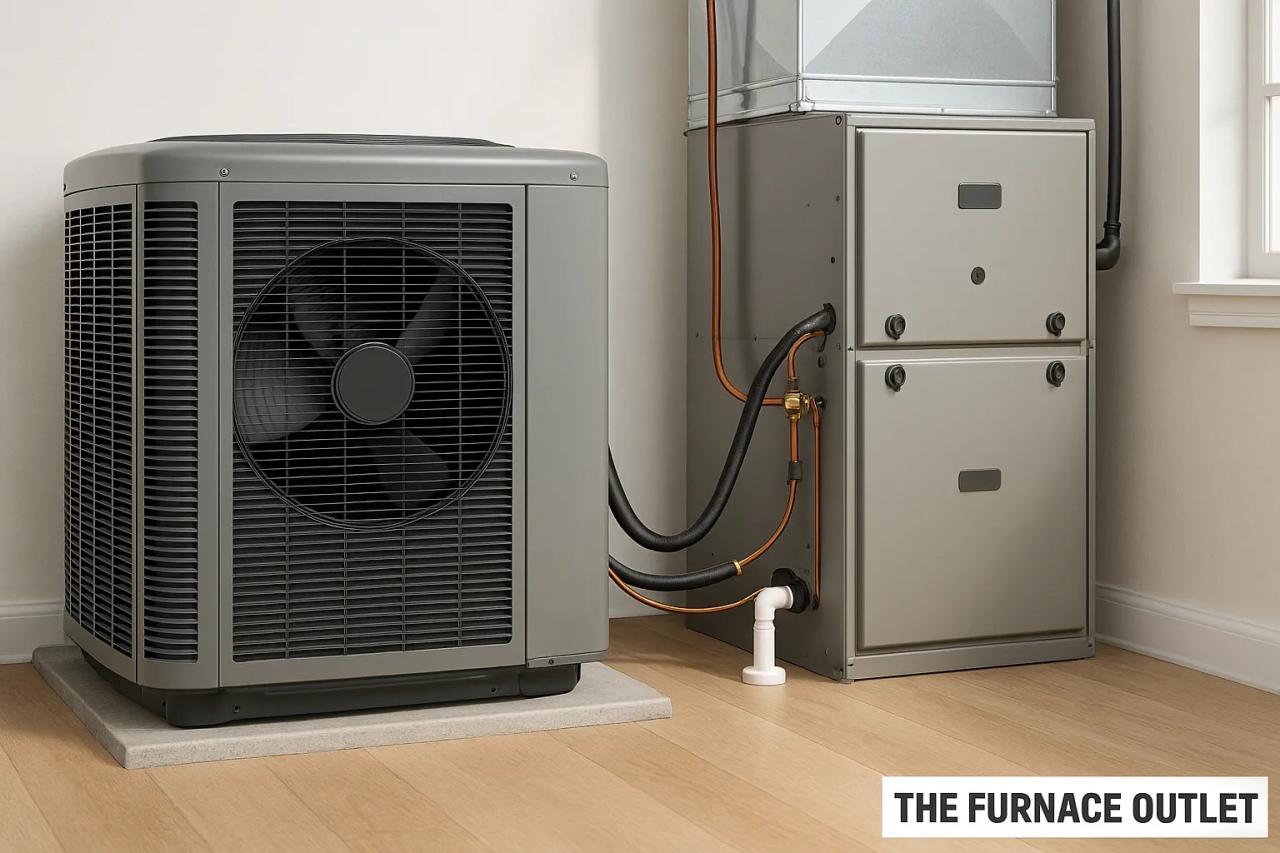
Before installing a central air system, there are several key factors that need to be taken into consideration to ensure a successful and efficient installation process.Proper sizing and load calculation:
Importance of Proper Sizing and Load Calculation
When it comes to central air installation, one of the most crucial factors to consider is ensuring that the system is properly sized for the space it will be cooling. An oversized unit will lead to short cycling, resulting in higher energy bills and reduced comfort, while an undersized unit will struggle to cool the space efficiently.
Conducting a load calculation, which takes into account factors such as the size of the space, insulation levels, windows, and more, is essential to determine the right size unit for optimal performance.Assessing existing ductwork for compatibility:
Assessing Existing Ductwork
Another important consideration before installing a central air system is assessing the existing ductwork in the home. The ductwork must be properly sized and in good condition to ensure efficient airflow throughout the space. Any leaks, blockages, or inadequate insulation in the ductwork can lead to energy waste and reduced system performance.
It is essential to address any issues with the ductwork before installing the central air system to maximize its effectiveness.
Steps Involved in Central Air Installation
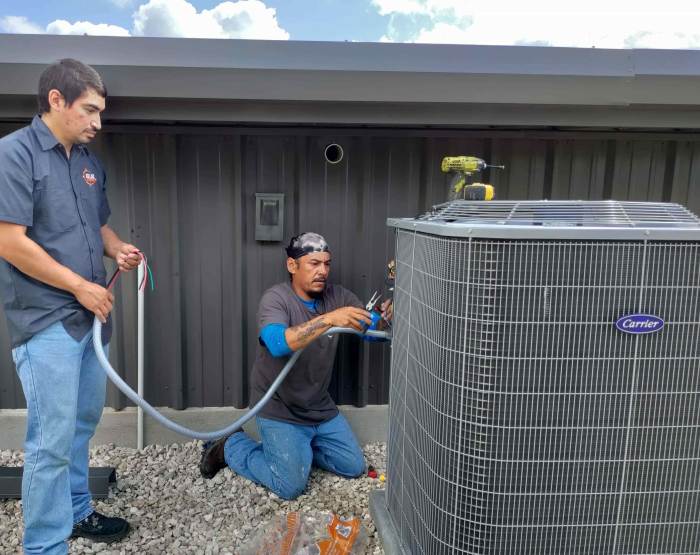
Installing a central air system involves several steps to ensure proper functioning and efficiency in cooling your home. Below is a step-by-step guide to help you understand the installation process.
Step 1: Assess Your Home
Before beginning the installation, assess your home's layout and size to determine the best location for the central air unit. Consider factors such as the number of rooms, insulation, and existing ductwork.
Step 2: Calculate Load Requirements
Calculate the cooling load requirements for your home to determine the appropriate size of the central air system needed. This will ensure optimal performance and energy efficiency.
Step 3: Install Ductwork
If your home does not have existing ductwork, new ducts will need to be installed to distribute the cooled air throughout the house. Properly sealed and insulated ducts are essential for efficient cooling.
Step 4: Position the Central Air Unit
Position the central air unit outside your home in a suitable location. Ensure proper clearance around the unit for ventilation and maintenance purposes.
Step 5: Connect the System
Connect the central air unit to the ductwork and electrical system of your home. Make sure all connections are secure and follow manufacturer guidelines for installation.
Step 6: Test the System
After installation is complete, test the central air system to ensure it is working correctly. Check for any leaks, airflow issues, or unusual noises that may indicate a problem.
Step 7: Obtain Necessary Permits
Depending on your location, you may need to obtain permits or permissions for installing a central air system. Check with your local authorities to ensure compliance with regulations.
Step 8: Maintenance and Regular Servicing
To keep your central air system running efficiently, schedule regular maintenance and servicing. This will help prolong the lifespan of the system and prevent costly repairs in the future.
Choosing the Right Central Air System
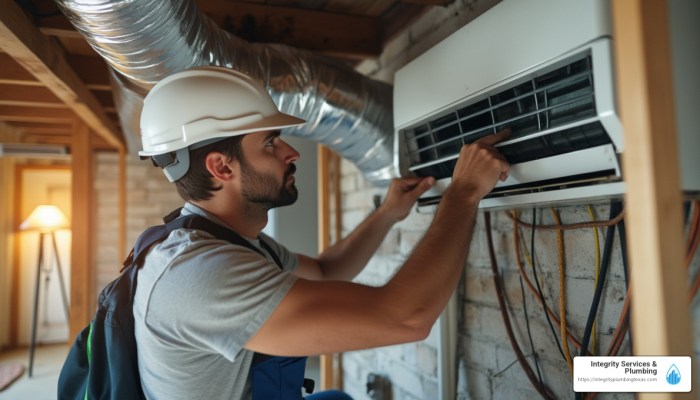
When it comes to selecting the right central air system for your home, there are several factors to consider. Each type of central air system comes with its own set of features and benefits, so it's essential to understand the differences to make an informed decision that meets your specific needs.
Types of Central Air Systems
- Split System: This is the most common type of central air system, consisting of an outdoor unit and an indoor unit. It offers efficient cooling and can be customized to suit different room sizes.
- Packaged System: In this system, all components are housed in one unit, usually placed on the roof or outside the home. It's ideal for homes with limited indoor space.
- Ductless Mini-Split System: This system does not require ductwork and is perfect for homes without existing duct systems. It offers flexibility in zoning and can save energy by cooling specific areas only when needed.
Choosing the Most Suitable System
- Consider the size of your home and the number of rooms that need cooling to determine the appropriate system size.
- Think about energy efficiency ratings to ensure long-term cost savings on utility bills.
- Factor in your budget and installation requirements when selecting the type of central air system that fits your financial constraints.
Cost Factors of Central Air Installation
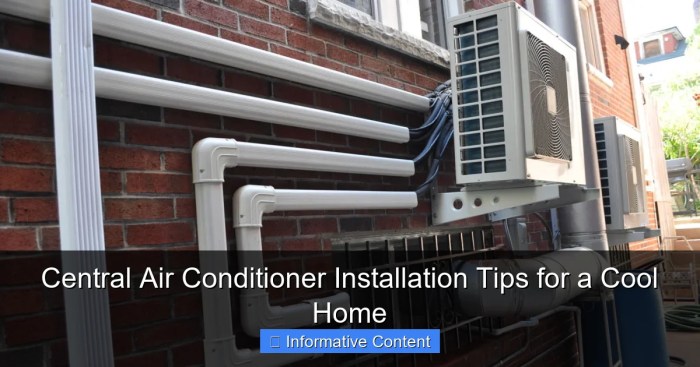
When it comes to central air installation, understanding the cost factors involved is crucial. Let's break down the key components that contribute to the overall cost of installing a central air system.
Breakdown of Costs
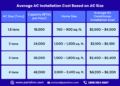
- The cost of the central air unit itself, which can vary depending on the brand, size, and efficiency rating.
- Labor costs for installation, including the number of hours required for installation and the rates charged by the contractor.
- Additional materials and equipment needed for the installation process, such as ductwork, thermostats, and electrical components.
- Permit fees required by your local government for installing a central air system.
Cost-Saving Measures
There are several ways to potentially save on the cost of central air installation:
- Consider installing the system during the off-season when contractors may offer discounts.
- Opt for a more energy-efficient central air unit to save on long-term energy costs.
- Get multiple quotes from different contractors to compare prices and choose the most cost-effective option.
- Explore available rebates or incentives for installing energy-efficient HVAC systems in your area.
Importance of Multiple Quotes
Obtaining multiple quotes from different contractors is essential for ensuring you get a fair price for your central air installation. By comparing quotes, you can not only find the best deal but also evaluate the level of service offered by each contractor.
This can help you make an informed decision and avoid overpaying for the installation.
Maintenance and Care After Central Air Installation
After investing in a central air installation, it is crucial to prioritize maintenance and care to ensure the system operates efficiently for years to come. Regular maintenance not only extends the lifespan of the central air system but also helps in maintaining optimal performance.
Creating a Maintenance Schedule
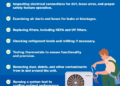
- It is recommended to schedule annual maintenance checks with a professional HVAC technician to inspect and tune up the central air system.
- Change air filters regularly, ideally every 1-3 months, to prevent dust and debris buildup that can obstruct airflow and strain the system.
- Keep the outdoor unit free from debris, such as leaves, branches, and dirt, to ensure proper ventilation and airflow.
Common Post-Installation Issues and Solutions
- If you notice uneven cooling or warm spots in certain areas of your home, it could indicate issues with ductwork or improper system sizing. Contact a professional to assess and rectify the problem.
- Strange noises, such as rattling or banging, coming from the central air system may indicate loose components or debris in the system. Immediate attention is necessary to prevent further damage.
- If the central air system is constantly cycling on and off or struggling to reach the set temperature, it could be due to issues with refrigerant levels or thermostat calibration. A professional inspection is needed to diagnose and fix the issue.
Maximizing Lifespan and Efficiency
- Programmable thermostats can help optimize energy usage by adjusting temperature settings based on your schedule, reducing strain on the central air system.
- Regularly clean and maintain the evaporator and condenser coils to ensure efficient heat transfer and cooling performance.
- Consider investing in a maintenance plan with a reputable HVAC company to receive regular inspections, tune-ups, and priority service for any issues that may arise.
Conclusive Thoughts
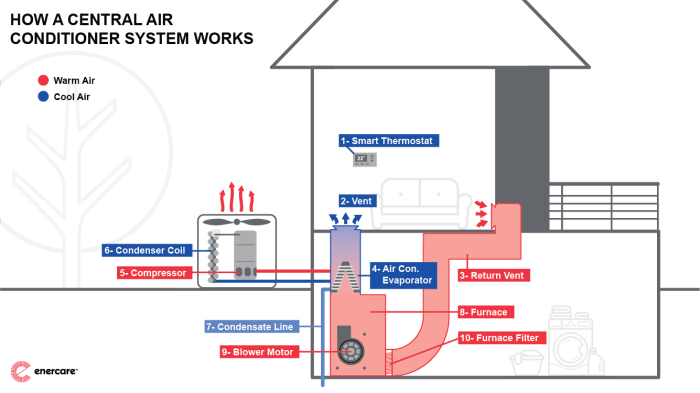
In conclusion, central air installation is a crucial investment in your home's comfort and value. By following the guidelines Artikeld in this comprehensive guide, you can navigate the process with confidence and ease, ensuring a cool and refreshing environment for years to come.
FAQ Section
What factors should I consider before installing a central air system?
Before installation, consider factors like proper sizing, load calculation, and compatibility with existing ductwork to ensure optimal performance.
Are permits or permissions required for central air installation?
Yes, it's important to check with local authorities for any necessary permits or permissions before installing a central air system.
How can I maximize the lifespan of my central air system?
Regular maintenance, addressing issues promptly, and following a maintenance schedule can help maximize the lifespan and efficiency of your central air system.