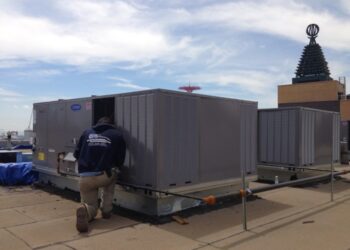
Exploring the world of rooftop unit repair, this introduction aims to captivate readers with a detailed yet accessible look at the topic. From common issues to preventative maintenance, this guide covers it all in a way that is informative and engaging.
In the subsequent paragraphs, we will delve deeper into the intricacies of rooftop unit repair, providing valuable insights and practical tips for both professionals and DIY enthusiasts.
Overview of Rooftop Unit Repair
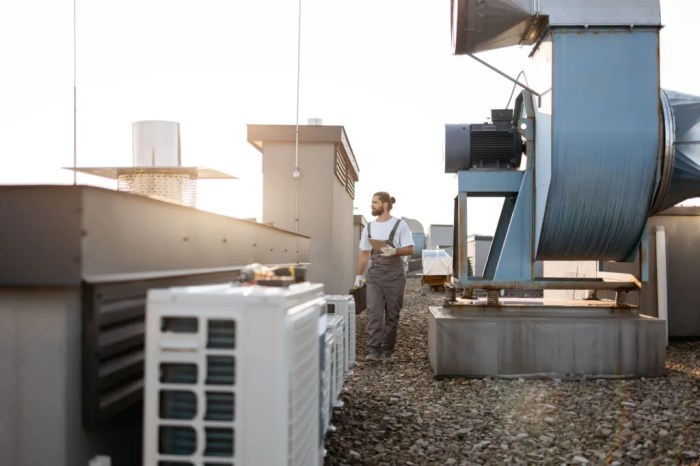
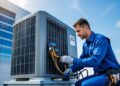
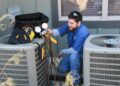
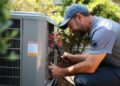
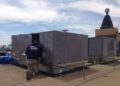
When it comes to rooftop unit repair, it involves the maintenance and fixing of HVAC systems that are installed on the roof of commercial buildings. These units are responsible for heating, ventilation, and air conditioning, making them crucial for maintaining a comfortable indoor environment.
Common Issues Requiring Rooftop Unit Repair
- Leaking refrigerant: One common issue is a leak in the refrigerant lines, which can lead to decreased cooling efficiency and potential environmental hazards.
- Faulty thermostat: A malfunctioning thermostat can result in inconsistent temperature control and discomfort for building occupants.
- Dirty filters: Clogged filters can restrict airflow, reduce efficiency, and lead to poor indoor air quality.
Importance of Timely Rooftop Unit Repair
Timely rooftop unit repair is essential to ensure the efficient operation of HVAC systems and prevent costly breakdowns. Regular maintenance and prompt repairs can help extend the lifespan of rooftop units and optimize energy efficiency, saving on utility costs in the long run.
Signs of Rooftop Unit Problems
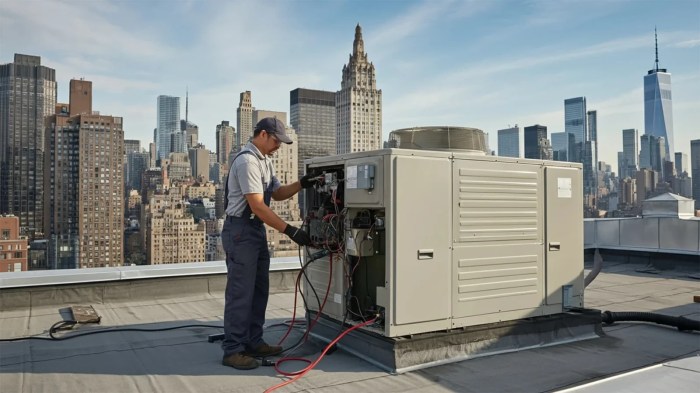
When it comes to rooftop units, there are several common signs that indicate potential issues that need to be addressed promptly. Recognizing these signs early can help prevent further damage and costly repairs down the line.
Unusual Noises
One of the most obvious signs of rooftop unit problems is the presence of unusual noises coming from the unit. Clanking, banging, or squealing sounds are not normal and could indicate issues with the fan, motor, or other components.
Inconsistent Temperature
If you notice that your building's temperature is inconsistent or doesn't match the thermostat settings, this could be a sign of a rooftop unit problem. It could indicate issues with the thermostat, ductwork, or the unit itself.
Increased Energy Bills
Another sign to look out for is a sudden increase in your energy bills without a clear explanation. A poorly functioning rooftop unit can lead to higher energy consumption, resulting in increased costs.
Leaking or Standing Water
Leaking or standing water around the rooftop unit can be a clear indicator of a problem. This could be due to a clogged drain, refrigerant leak, or other issues that need to be addressed promptly to prevent further damage.
Steps to Diagnose Rooftop Unit Issues
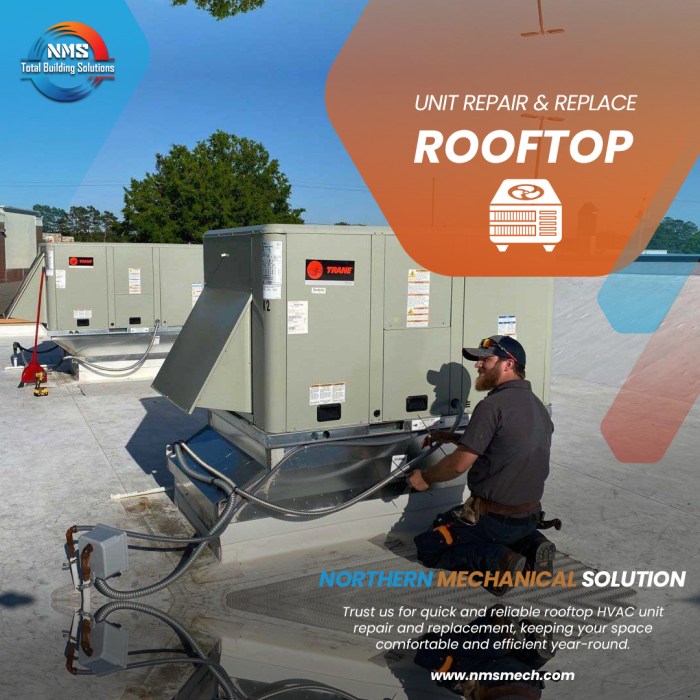
When facing issues with a rooftop unit, it is essential to follow a systematic approach to accurately diagnose the problems. By following a structured process, you can efficiently identify the root cause of the malfunction and implement the necessary repairs to restore optimal functionality.
Checklist for Troubleshooting Rooftop Unit Malfunctions
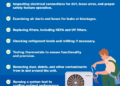
- Inspect the thermostat settings to ensure they are correctly configured and operational.
- Check the power supply to the rooftop unit to confirm that it is receiving electricity.
- Examine the air filters for any dirt or clogs that may be obstructing airflow.
- Inspect the condenser coils for dirt or debris buildup that could be affecting the unit's cooling efficiency.
- Verify that the fan motor is functioning correctly and circulating air effectively.
Tips for Effectively Identifying the Root Cause of the Issue
- Listen for any unusual noises coming from the rooftop unit, as this could indicate mechanical problems.
- Monitor the temperature inside the building to determine if the unit is adequately cooling or heating the space.
- Utilize a multimeter to test the electrical components of the rooftop unit for any faults or malfunctions.
- Consult the unit's manual or contact a professional technician for guidance on specific troubleshooting steps.
Rooftop Unit Repair Techniques
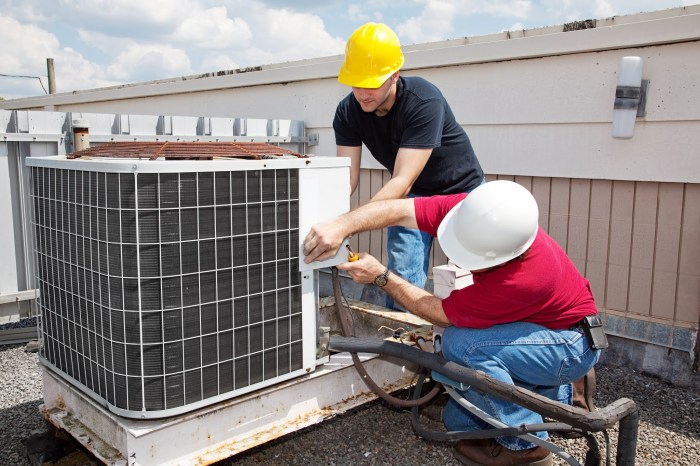
When it comes to repairing rooftop units, there are various techniques that HVAC professionals use to ensure the units are functioning efficiently. These techniques involve specific tools and best practices for effective repairs.
Tools Required for Rooftop Unit Repair
Before starting any repair work on rooftop units, it is essential to have the right tools on hand. Some common tools required for rooftop unit repair include:
- Multi-meter for electrical testing
- Adjustable wrenches and screwdrivers
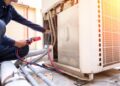
- Pressure gauges for checking refrigerant levels
- Leak detection tools
- Replacement parts specific to the rooftop unit model
Best Practices for Conducting Rooftop Unit Repairs
When conducting rooftop unit repairs, it is important to follow best practices to ensure the safety and efficiency of the repair process. Some best practices include:
- Performing regular maintenance to prevent major issues
- Following manufacturer guidelines for repairs and replacements
- Ensuring proper insulation and sealing to prevent air leaks
- Checking and cleaning air filters regularly
- Testing the unit after repairs to ensure proper functioning
Preventative Maintenance for Rooftop Units
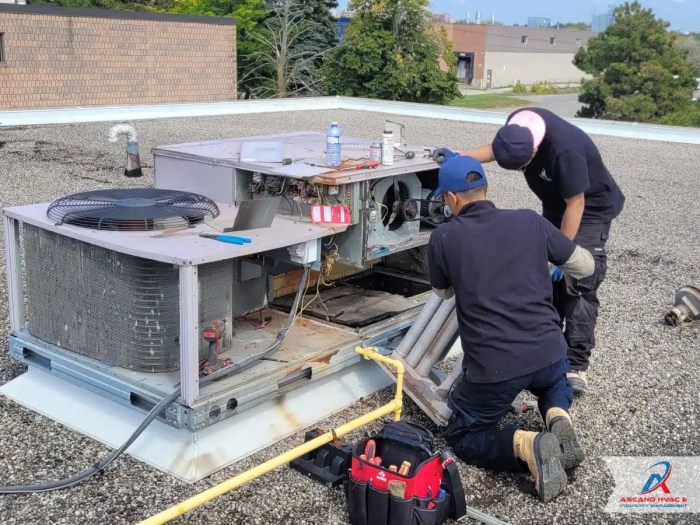
Routine maintenance for rooftop units is crucial in ensuring their optimal performance and longevity. By adhering to a regular maintenance schedule, you can prevent costly repairs and breakdowns, ultimately saving time and money in the long run.
Importance of Routine Maintenance
Maintaining a consistent maintenance schedule for rooftop units helps in early detection of potential issues before they escalate into major problems. It allows for timely repairs and adjustments, ensuring that the unit operates efficiently and effectively. Additionally, regular maintenance can help in improving indoor air quality and energy efficiency.
Maintenance Schedule for Rooftop Units
- Monthly inspections of filters, belts, and electrical components.
- Quarterly checks on refrigerant levels and coils.
- Bi-annual inspections by HVAC professionals for thorough assessment.
- Annual tune-ups to optimize unit performance.
Benefits of Regular Maintenance
Regular maintenance can significantly extend the lifespan of rooftop units. By addressing minor issues promptly and keeping the unit clean and well-maintained, you can avoid premature wear and tear, prolonging the unit's overall durability. Moreover, efficient operation due to regular maintenance can lead to lower energy costs and enhanced comfort levels for occupants.
Conclusion
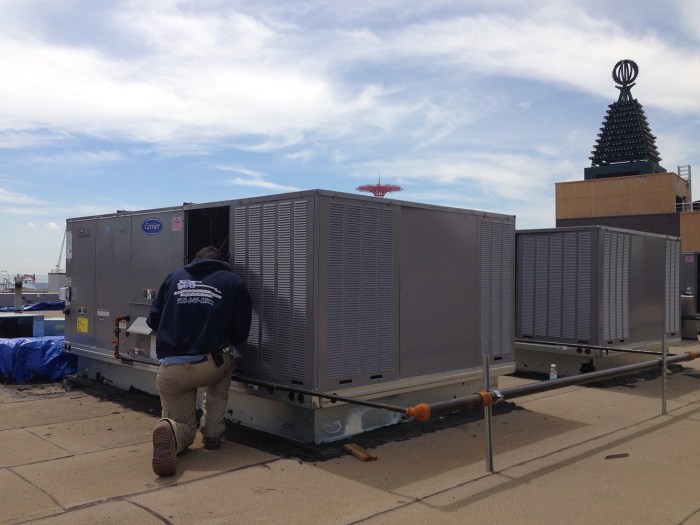
In conclusion, rooftop unit repair is crucial for ensuring the optimal performance and longevity of these systems. By staying proactive and addressing issues promptly, you can avoid costly repairs and enjoy a comfortable indoor environment year-round.
FAQ Corner
What are the common signs that indicate rooftop unit issues?
Common signs include unusual noises, inconsistent temperatures, and increased energy bills.
How important is routine maintenance for rooftop units?
Regular maintenance is crucial for preventing major repairs and extending the lifespan of rooftop units.
What are the best practices for conducting rooftop unit repairs?
Best practices include using proper tools, following manufacturer guidelines, and seeking professional help when needed.