Delve into the world of HVAC installation estimates with a comprehensive guide that unveils the key factors, types of systems, importance of multiple estimates, and additional costs to consider. This guide is designed to equip homeowners with the knowledge needed to navigate the realm of HVAC installations with confidence.
Explore the intricacies of estimating HVAC installation costs and make informed decisions for your home.
Factors affecting HVAC installation estimates
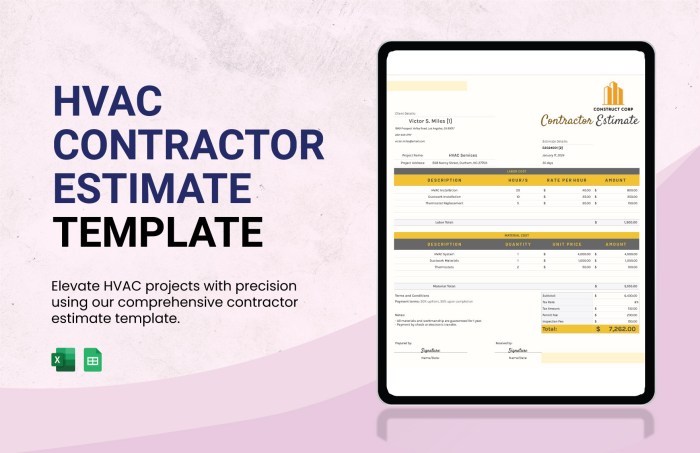
When it comes to estimating the cost of HVAC installation, several key factors come into play. These factors can significantly influence the overall estimate provided by HVAC professionals.
Property Size
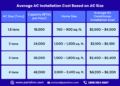
The size of the property plays a crucial role in determining the HVAC installation estimate. Larger properties require more extensive ductwork, additional units, and increased labor hours, which can drive up the overall cost of installation.
Energy Efficiency Requirements
Energy efficiency requirements mandated by building codes and regulations can impact the estimate for HVAC installation. High-efficiency systems and components may come at a higher initial cost but can result in long-term energy savings, affecting the overall estimate.
Complexity of the HVAC System
The complexity of the HVAC system being installed can also affect the cost estimate. Factors such as the type of system, additional features like zoning or smart thermostats, and the need for customized ductwork can all contribute to a higher installation cost.
Types of HVAC systems and their installation cost
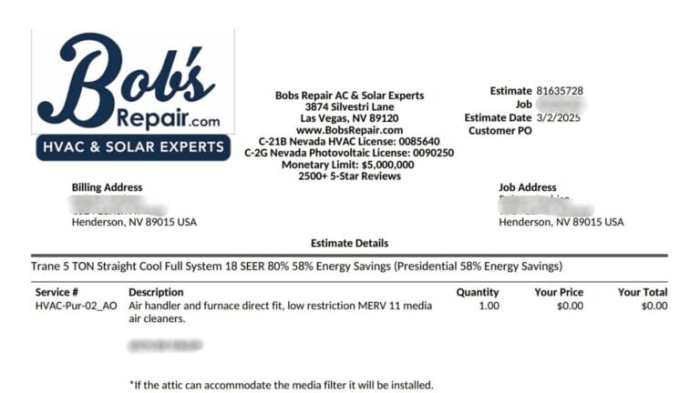
When it comes to HVAC systems, there are various types available, each with its own installation costs. Let's explore some of the key factors that influence the installation cost of different HVAC systems.
Central HVAC systems vs. Ductless Mini-Split systems
Central HVAC systems are typically more expensive to install compared to ductless mini-split systems. This is because central systems require ductwork to be installed throughout the home, which can be a labor-intensive process. On the other hand, ductless mini-split systems are easier to install since they do not require ductwork, making them a more cost-effective option.
High-efficiency HVAC systems
High-efficiency HVAC systems, such as Energy Star-rated units, tend to have higher upfront costs but can lead to long-term savings on energy bills. The installation cost of these systems may be higher due to the advanced technology and features they offer, but the energy savings over time can offset this initial investment.
Gas vs. Electric HVAC systems
The choice between gas and electric HVAC systems can also impact installation costs. Gas systems are generally more expensive to install upfront but may be more cost-effective in the long run due to lower operating costs. Electric systems, on the other hand, have lower upfront installation costs but may result in higher energy bills over time.
Brand and quality of the HVAC system
The brand and quality of the HVAC system can also affect the installation estimate. Higher-end brands or top-of-the-line models may come with a higher price tag for installation due to the premium features and materials they offer. However, investing in a reputable brand and quality system can ensure better performance and longevity, making it a worthwhile investment in the long term.
Importance of getting multiple estimates
When it comes to HVAC installation, getting multiple estimates is crucial for homeowners looking to make informed decisions and ensure they get the best value for their money.
Benefits of obtaining multiple HVAC installation estimates
- Allows for comparison: By obtaining multiple estimates, homeowners can compare prices, services offered, and quality of work from different HVAC installers.
- Ensures competitive pricing: Having multiple estimates can help homeowners negotiate better deals and ensure they are not overcharged for the installation.
- Provides options: Different HVAC installers may offer different solutions or recommendations, giving homeowners more choices in terms of equipment and installation methods.
Tips on evaluating and choosing the best HVAC installation estimate
- Check for licensing and certifications: Make sure the HVAC installer is licensed and certified to perform the installation.
- Read reviews and ask for references: Look for reviews online and ask for references from past clients to gauge the quality of work.
- Compare inclusions: Ensure that you are comparing apples to apples by checking what is included in each estimate, such as warranties, maintenance plans, and equipment brands.
- Consider experience and reputation: Choose an HVAC installer with a solid reputation and years of experience in the industry.
Considering cost and quality when selecting an HVAC installer
It is essential for homeowners to strike a balance between cost and quality when selecting an HVAC installer. While affordability is important, sacrificing quality for a lower price can lead to costly repairs and inefficiencies in the long run. It is crucial to choose an HVAC installer who offers competitive pricing without compromising on the quality of work and materials used.
Additional costs to consider in HVAC installation estimates
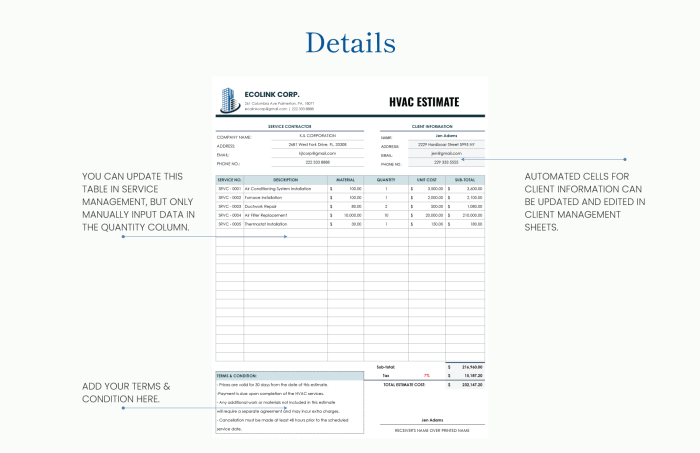
When getting an estimate for HVAC installation, it's crucial to account for various additional costs that may come into play. These costs can significantly impact the final price you pay for your HVAC system installation. Let's dive into some common additional costs and why they are important to consider.
Permits
Permits are often required for HVAC installations, and the cost of obtaining these permits can vary depending on your location. It's essential to factor in permit costs when estimating your HVAC installation budget to avoid any surprises down the line.
Labor Costs
Labor costs are a significant part of any HVAC installation project. The amount you pay for labor can depend on the complexity of the installation, the size of your home, and the HVAC system you choose. Make sure to get a clear breakdown of labor costs in your estimate to understand how they contribute to the total price.
Materials
The materials used in your HVAC installation, such as ductwork, piping, and insulation, can also impact the overall cost. Higher quality materials may come at a higher price but can offer better efficiency and longevity. Consider the type of materials being used and how they affect the estimate provided.
Unexpected Issues
Sometimes, unexpected issues or complications can arise during the installation process, leading to additional costs. It's essential to have a contingency fund set aside in case any unforeseen problems crop up. Discuss with your HVAC contractor how unexpected issues will be handled and what costs may be involved.
Warranties and Maintenance Plans
Some HVAC installation estimates may include warranties or maintenance plans for the system. While these can add to the initial cost, they can provide peace of mind and potentially save you money in the long run. Consider the value of warranties and maintenance plans when evaluating different estimates.
Final Conclusion
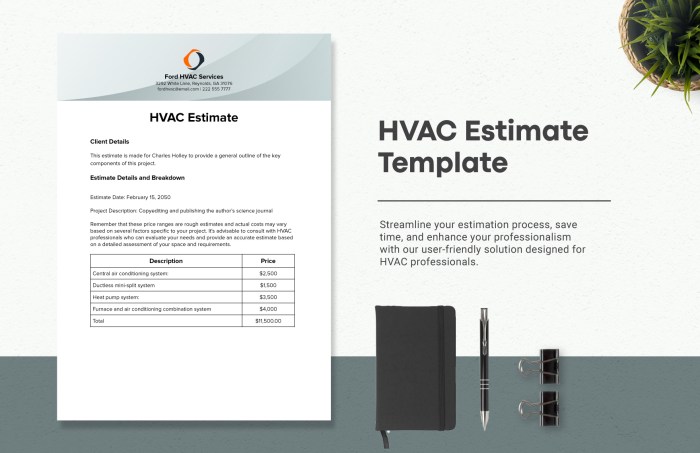
In conclusion, understanding the nuances of HVAC installation estimates empowers homeowners to make well-informed choices when it comes to their heating and cooling systems. Armed with this knowledge, you can embark on the journey of enhancing your home comfort with confidence.
Questions Often Asked
What factors influence HVAC installation estimates?
Factors like property size, energy efficiency requirements, and system complexity play a significant role in determining HVAC installation costs.
How do high-efficiency HVAC systems impact installation estimates?
High-efficiency systems may have higher upfront costs but can lead to long-term savings on energy bills, affecting installation estimates.
Why is it important to get multiple estimates?
Obtaining multiple estimates allows homeowners to compare costs, services, and quality, aiding in making well-informed decisions.
What are common additional costs in HVAC installation estimates?
Additional costs may include permits, labor, materials, and unforeseen complications that can impact the final installation cost.
How does the choice between gas and electric HVAC systems affect installation costs?
The choice between gas and electric systems can impact installation costs based on factors like energy efficiency, fuel availability, and upfront costs.