Embark on a journey through the world of central air repair, where we explore why maintenance is crucial, common issues faced, DIY tips, and the significance of hiring professionals. Get ready to delve into the realm of efficient cooling systems.
Importance of Central Air Repair
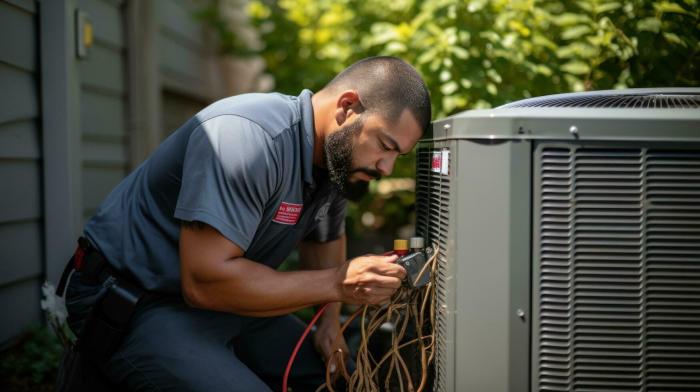
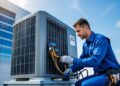
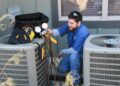
Regular maintenance of central air systems is crucial for efficiency and longevity. Neglecting central air repair can lead to higher energy costs and poor indoor air quality. Hiring professionals for central air repair ensures that the system is properly maintained and any issues are addressed promptly.
Impact on Energy Costs
Proper maintenance of central air systems can help ensure they operate at peak efficiency, reducing energy consumption and ultimately lowering energy costs. Neglecting repair and maintenance can cause the system to work harder, leading to increased energy usage and higher bills.
Impact on Indoor Air Quality
Regular central air repair is essential for maintaining good indoor air quality. Neglected systems can accumulate dust, mold, and other contaminants, which can circulate throughout the home and negatively impact the health of occupants. Professional repair services can help address these issues and ensure clean, healthy air.
Benefits of Hiring Professionals
While DIY solutions may seem cost-effective, hiring professionals for central air repair is the best way to ensure the job is done correctly. Professionals have the knowledge, experience, and tools to diagnose and fix issues efficiently, reducing the risk of further damage and costly repairs down the line.
Common Central Air Issues
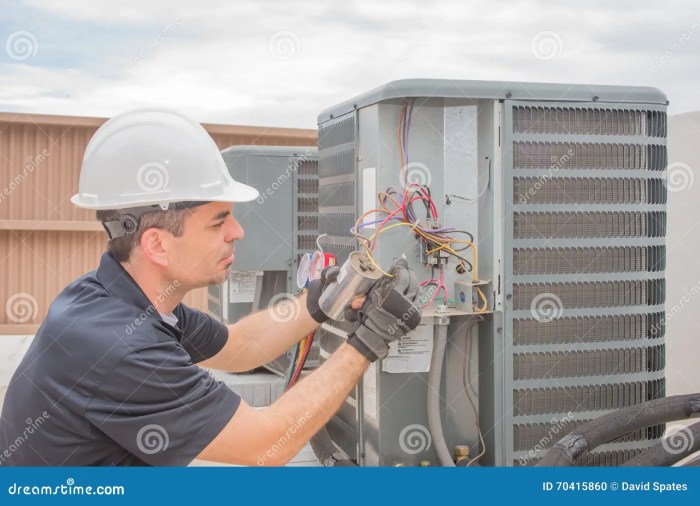
Central air systems can encounter various problems that may require repair to ensure optimal performance and efficiency. It is essential to identify these common issues and address them promptly to avoid further damage and costly repairs.
Leaking Refrigerant
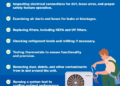
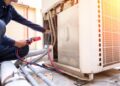
One of the typical problems in central air systems is leaking refrigerant, which can result in decreased cooling efficiency and increased energy consumption. If you notice a decrease in cooling performance or ice buildup on the refrigerant lines, it may indicate a refrigerant leak.
It is crucial to contact a professional HVAC technician to inspect and repair the leak to prevent further damage to the system.
Strange Noises
If your central air system is producing unusual noises such as banging, hissing, or rattling, it could be a sign of underlying issues with the compressor, fan motor, or other components. Before seeking professional repair services, you can check for loose or damaged parts and tighten any loose screws.
However, if the noises persist, it is best to consult a qualified technician to diagnose and fix the problem.
Uneven Cooling
Uneven cooling throughout your home can be a frustrating issue caused by clogged air filters, ductwork problems, or issues with the thermostat. Before considering a repair, you can start by replacing the air filters and ensuring that all vents are open and unobstructed.
If the problem persists, it is advisable to seek professional assistance to identify the root cause and make the necessary repairs.
Repair vs. Replacement
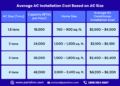
When deciding between repairing or replacing a central air system, consider factors such as the age of the unit, frequency of repairs, energy efficiency, and overall cost. If your system is old and requires frequent repairs, investing in a new, energy-efficient unit may be more cost-effective in the long run.
A professional HVAC technician can provide guidance on whether to repair or replace your central air system based on its condition and performance.
DIY Central Air Repair Tips
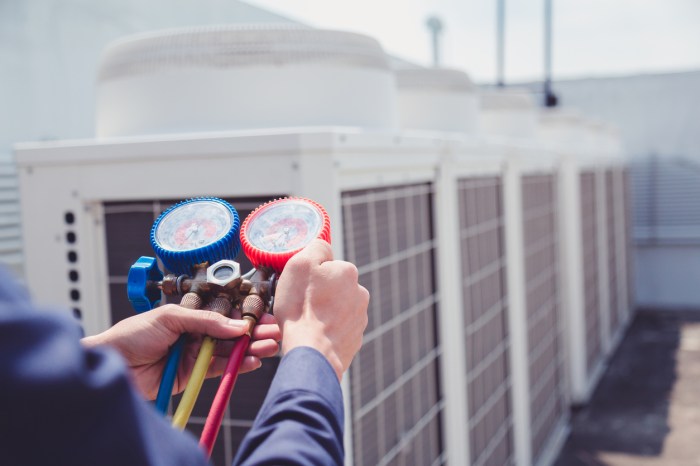
When it comes to maintaining your central air system, there are some simple tasks you can do yourself to keep it running smoothly. Here are some DIY central air repair tips to help you out:
Cleaning Filters
One of the most important maintenance tasks for your central air system is cleaning or replacing the filters regularly. Clogged filters can reduce airflow and efficiency, leading to higher energy bills and potential damage to the system. Here's how you can clean the filters:
- Turn off the power to the system before removing the filters.
- Remove the filters from the unit.
- Vacuum or wash the filters with mild soap and water.
- Allow the filters to dry completely before putting them back in.
Clearing Debris Around the Outdoor Unit
Another important task is to clear any debris or obstructions around the outdoor unit. Debris like leaves, dirt, or branches can restrict airflow and affect the system's performance. Here's how you can clear the area around the outdoor unit:
- Turn off the power to the unit.
- Remove any debris or vegetation around the unit, keeping a clearance of at least two feet on all sides.
- Trim any overhanging branches that could fall on or obstruct the unit.
- Check for any signs of damage or blockages in the unit's vents or coils.
Safety Measures for DIY Repairs
While performing DIY central air repairs, it's important to prioritize safety to prevent accidents or injuries. Here are some safety measures to consider:
- Always turn off the power to the system before starting any repairs or maintenance.
- Use protective gear like gloves and goggles when handling cleaning agents or sharp tools.
- If you're unsure about a repair task, it's best to consult a professional to avoid causing further damage.
Resources for DIY Repairs
Having the right tools and resources can make DIY central air repairs easier and more effective. Here are some resources homeowners can use:
- Owner's manual for the central air system to understand its components and maintenance requirements.
- Online tutorials or videos for step-by-step guidance on common repair tasks.
- Basic tools like screwdrivers, wrenches, and a vacuum cleaner for cleaning purposes.
Hiring a Professional for Central Air Repair
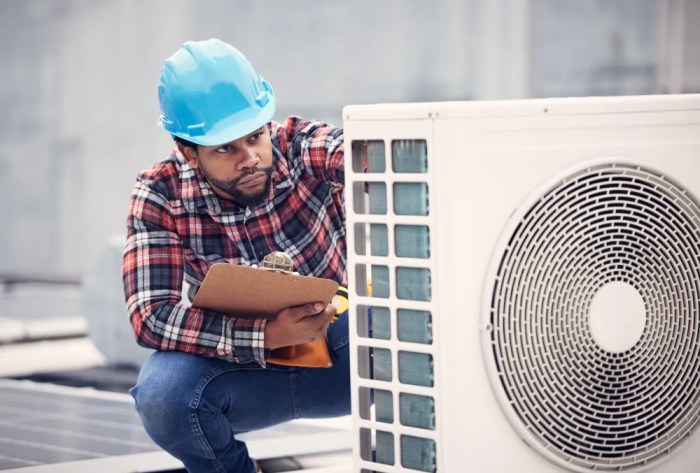
When it comes to central air repair, hiring a certified HVAC technician is crucial to ensure your system is fixed correctly and efficiently. Here are some important factors to consider when choosing a repair service and tips on how to maintain a good relationship with them for future needs.
Importance of Hiring a Certified HVAC Technician
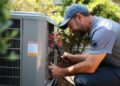
It is essential to hire a certified HVAC technician for central air repair because they have the necessary expertise and training to diagnose and fix issues with your system correctly. Certified technicians are knowledgeable about the latest industry standards and best practices, ensuring that your central air system is repaired safely and efficiently.
Factors to Consider When Choosing a Repair Service
- Experience: Look for a repair service with a proven track record of successfully repairing central air systems.
- Certifications: Ensure that the technicians are certified by reputable organizations, such as NATE (North American Technician Excellence).
- Customer Reviews: Check online reviews and ask for referrals to gauge the reputation and reliability of the repair service.
Tips for Maintaining a Good Relationship with a Repair Company
- Regular Maintenance: Schedule routine maintenance checks to prevent major issues and extend the lifespan of your central air system.
- Clear Communication: Communicate openly with the repair company about any concerns or issues you may have with your system.
- Feedback: Provide feedback on the quality of service you receive to help the repair company improve their services.
Final Review
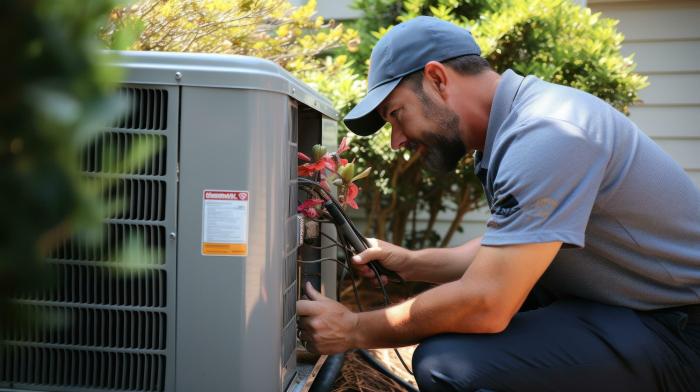
In conclusion, central air repair plays a vital role in maintaining indoor comfort and energy efficiency. By understanding the importance of regular maintenance, common issues that arise, and the benefits of professional services, you can ensure your central air system functions optimally for years to come.
Clarifying Questions
How often should central air systems be maintained?
Central air systems should ideally be maintained at least once a year to ensure optimal performance and longevity.
What are some signs that indicate central air system issues?
Signs like strange noises, uneven cooling, or leaks can indicate underlying problems that need attention.
Is it safe to attempt DIY central air repairs without professional help?
While simple maintenance tasks can be done by homeowners, more complex issues should be addressed by certified professionals to avoid safety risks and further damage.